
 Start Read
 Recommend
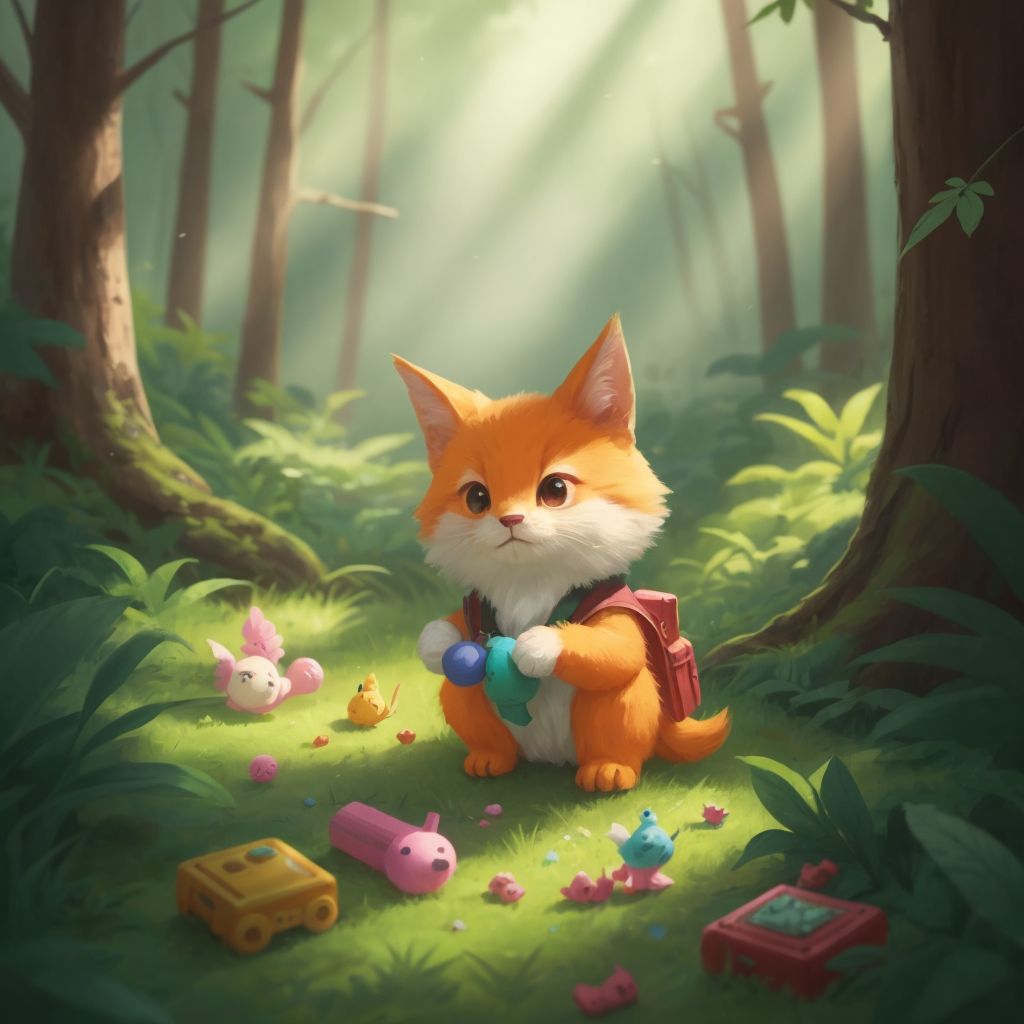
қоян орманда адасып кетіп оны кішкентай орман тұрғындары тауып алды және олар ажырамас досқа айналды
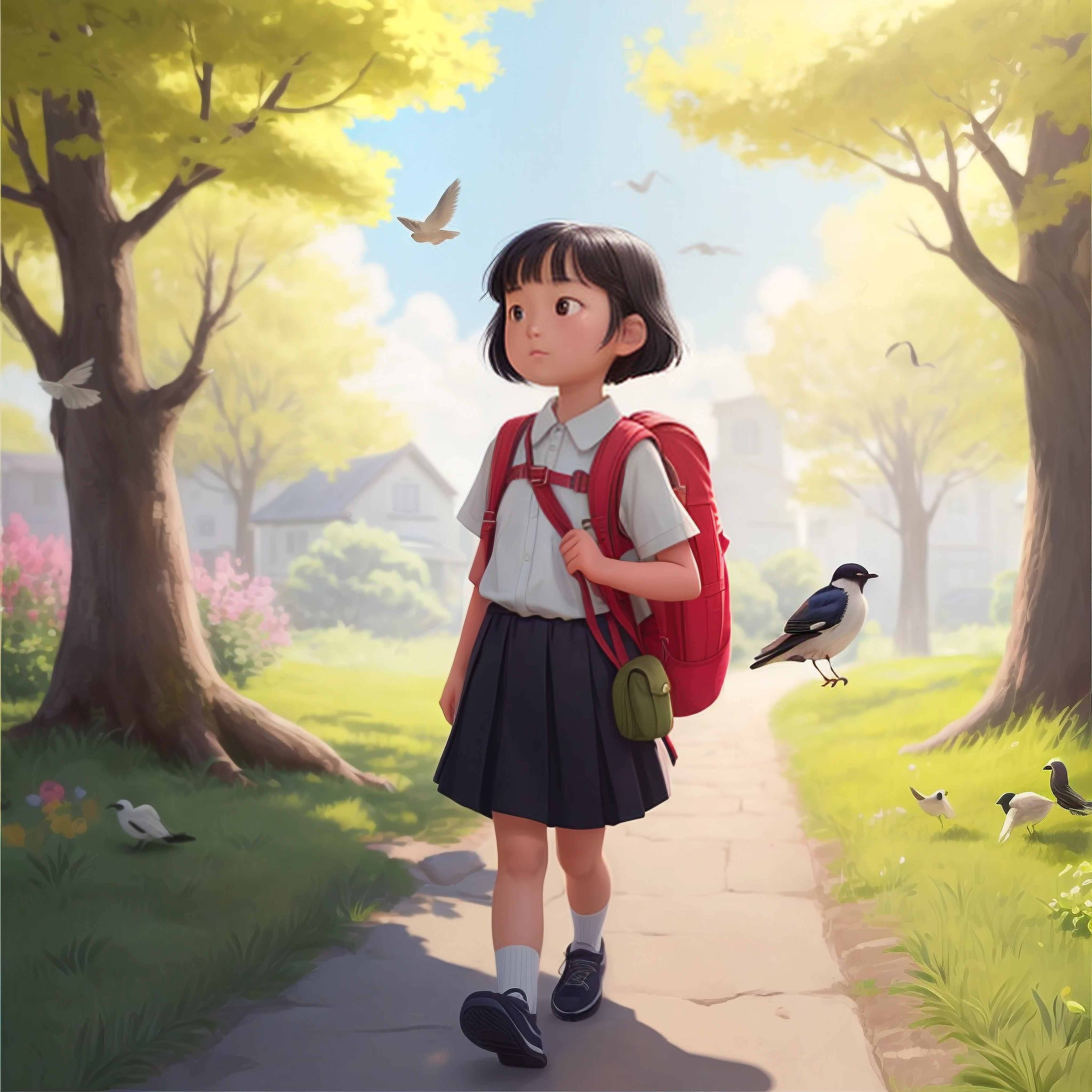
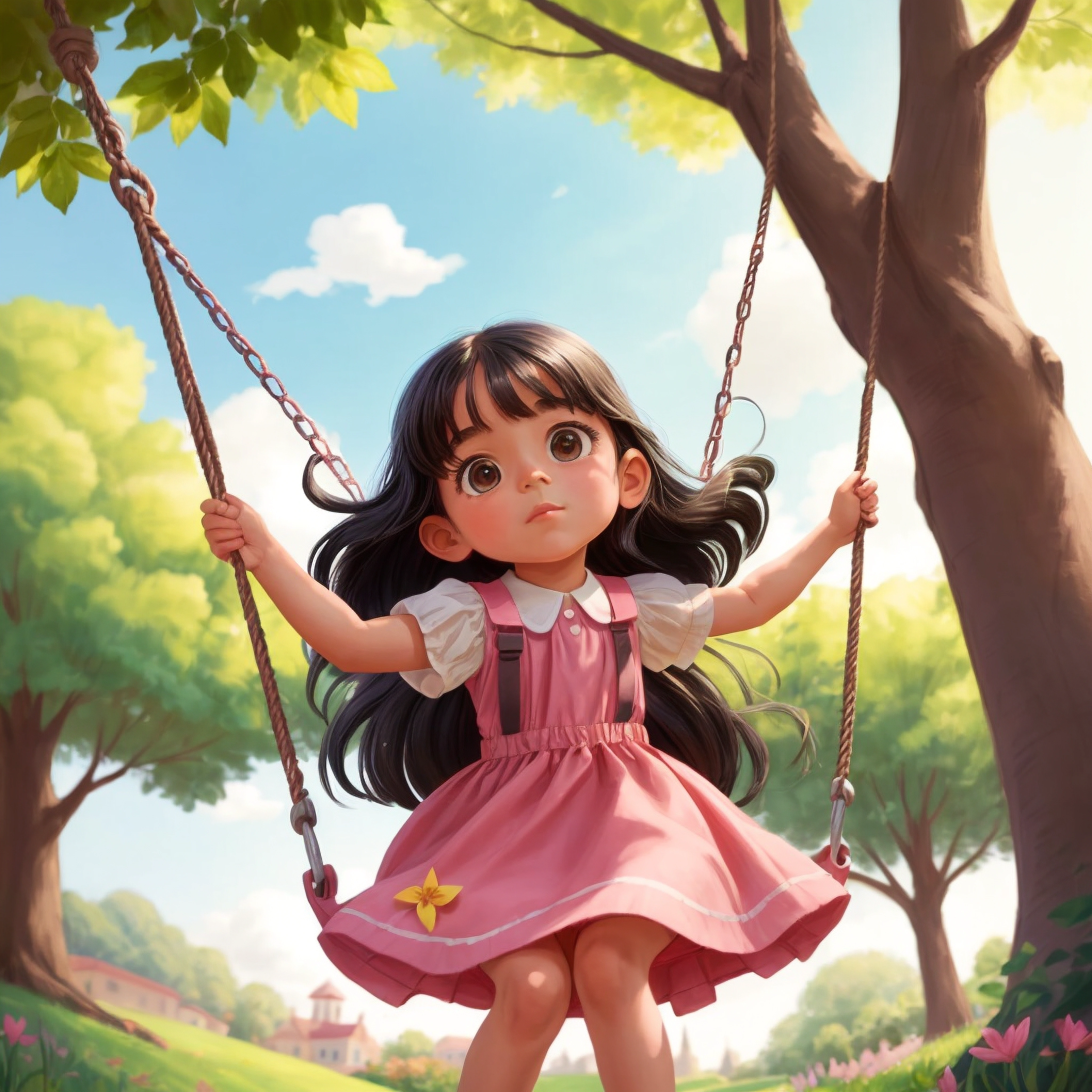
girl visits grandma house and have yummy treats

Title: Pat the Cat Page 1: Pat is a cat. Pat can sit. (Image suggestion: A cute, black and white cat named Pat sitting on a mat.) Page 2: Pat can nap. Pat is on a mat. (Image suggestion: Pat the cat curled up and napping on a soft, round mat.) Page 3: Pat can tap. Tap, tap, tap. (Image suggestion: Pat tapping a toy mouse with his paw.) Page 4: Pat can hop. Pat can hop on the mat. (Image suggestion: Pat playfully hopping on his mat, looking excited.) Page 5: Pat has a pal. His pal is Sam. (Image suggestion: Pat the cat sitting next to a small, brown dog named Sam.) Page 6: Sam and Pat can nap. Nap on the mat. (Image suggestion: Pat and Sam lying together, both napping on the mat.) Page 7: Pat is a cat. Pat can nap. Pat can tap. Pat can hop. (Image suggestion: A sequence of small images showing Pat napping, tapping a toy, and hopping on the mat.) Page 8: Pat and Sam are pals. They nap on the mat. (Image suggestion: Pat and Sam curled up together, smiling, content on their mat.) End.
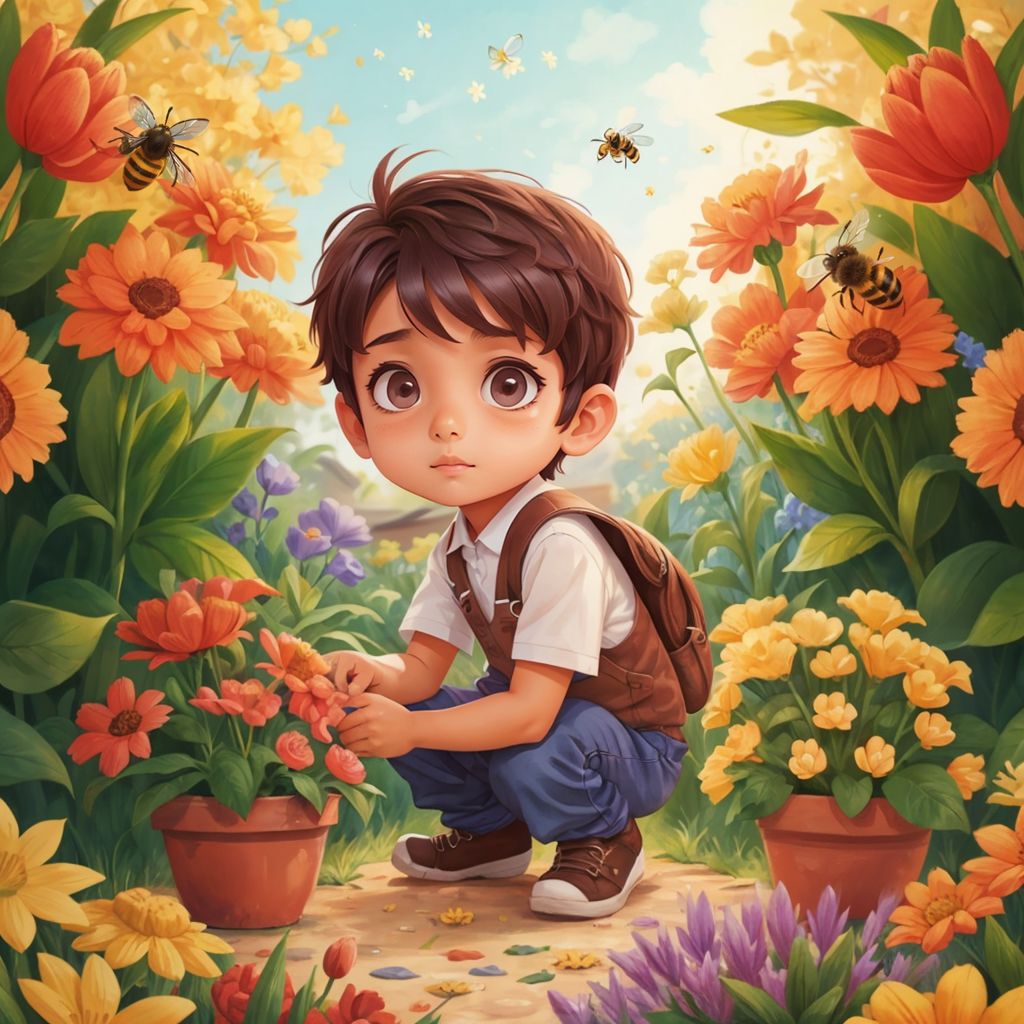
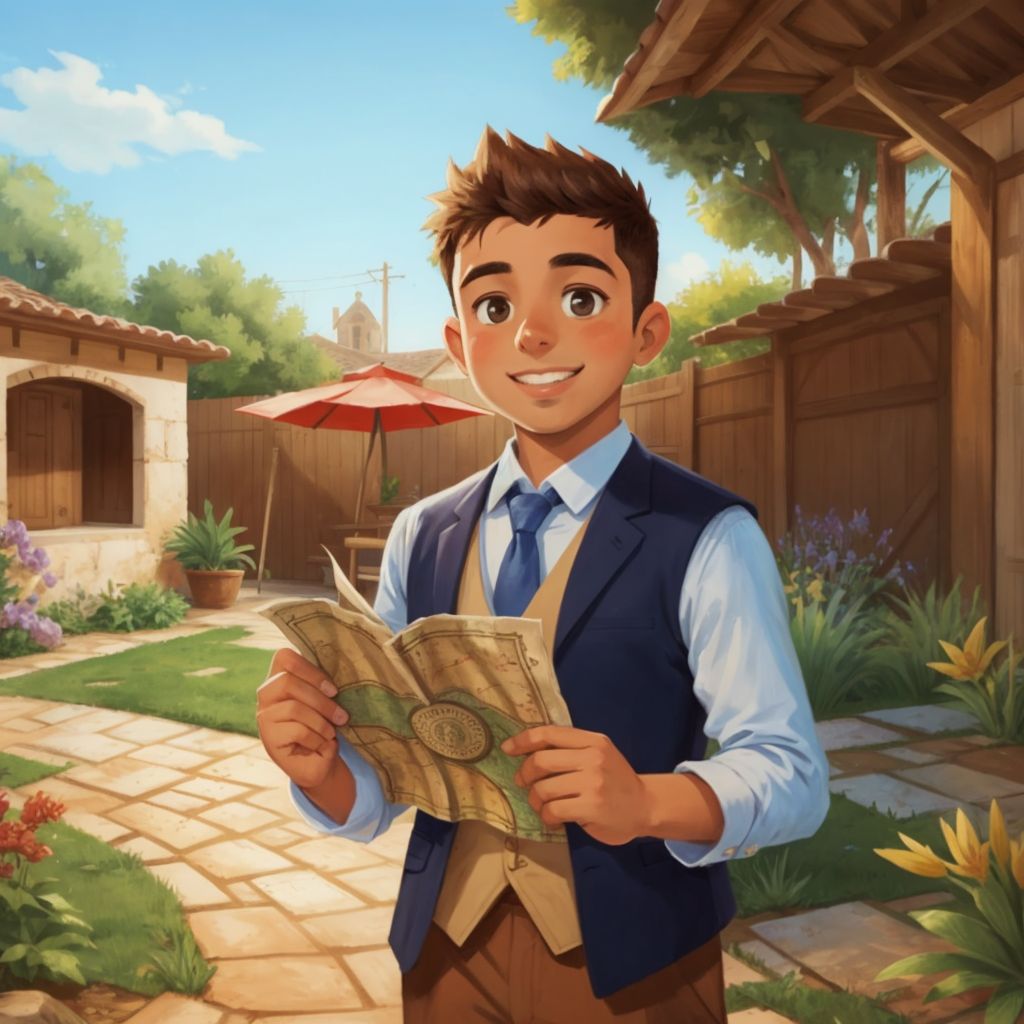
In a small village, a curious boy named Liam loved his grandmother's garden but didn’t know how to care for it. One day, Grandma gave him a special book called the Magic Garden Book, which promised to teach him how to help the garden grow. The book had magical words and illustrations but required Liam’s own effort and kindness. Following the book’s guidance, Liam watered the flowers, weeded regularly, and soon the garden flourished beautifully. His friends were amazed at the garden’s transformation and asked him for his secret. Liam explained that while the book was helpful, it was his own daily care and effort that truly made the garden thrive. Grandma praised Liam for his hard work and noted that the real magic lay in his dedication. Inspired, Liam began helping his friends start their own gardens, sharing the lesson that with effort, kindness, and a bit of magic, wonderful things can grow.
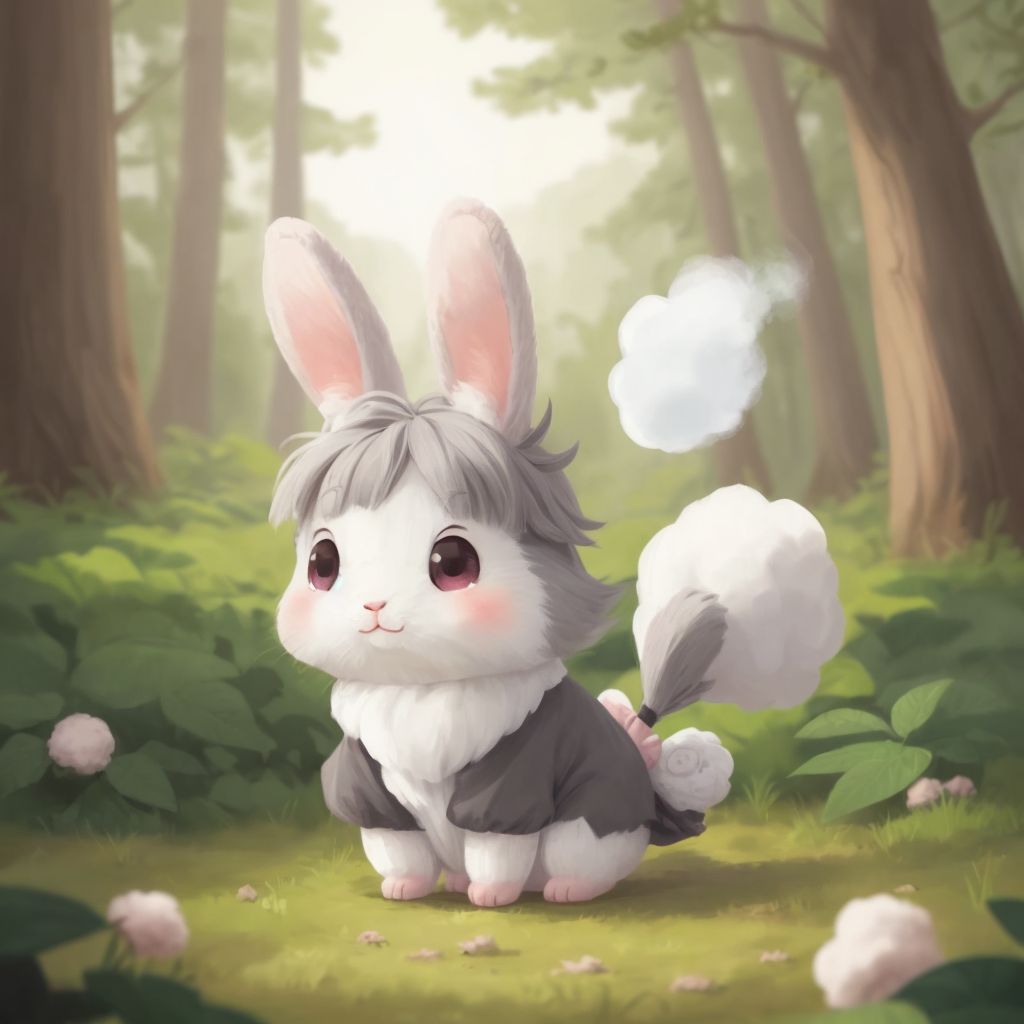
Cotton Bunny, hero. The bunny saw a fire in the forest and warned his friends about the danger in time. Everyone was able to escape. The Aosles were able to restore their home. Everyone was very happy.
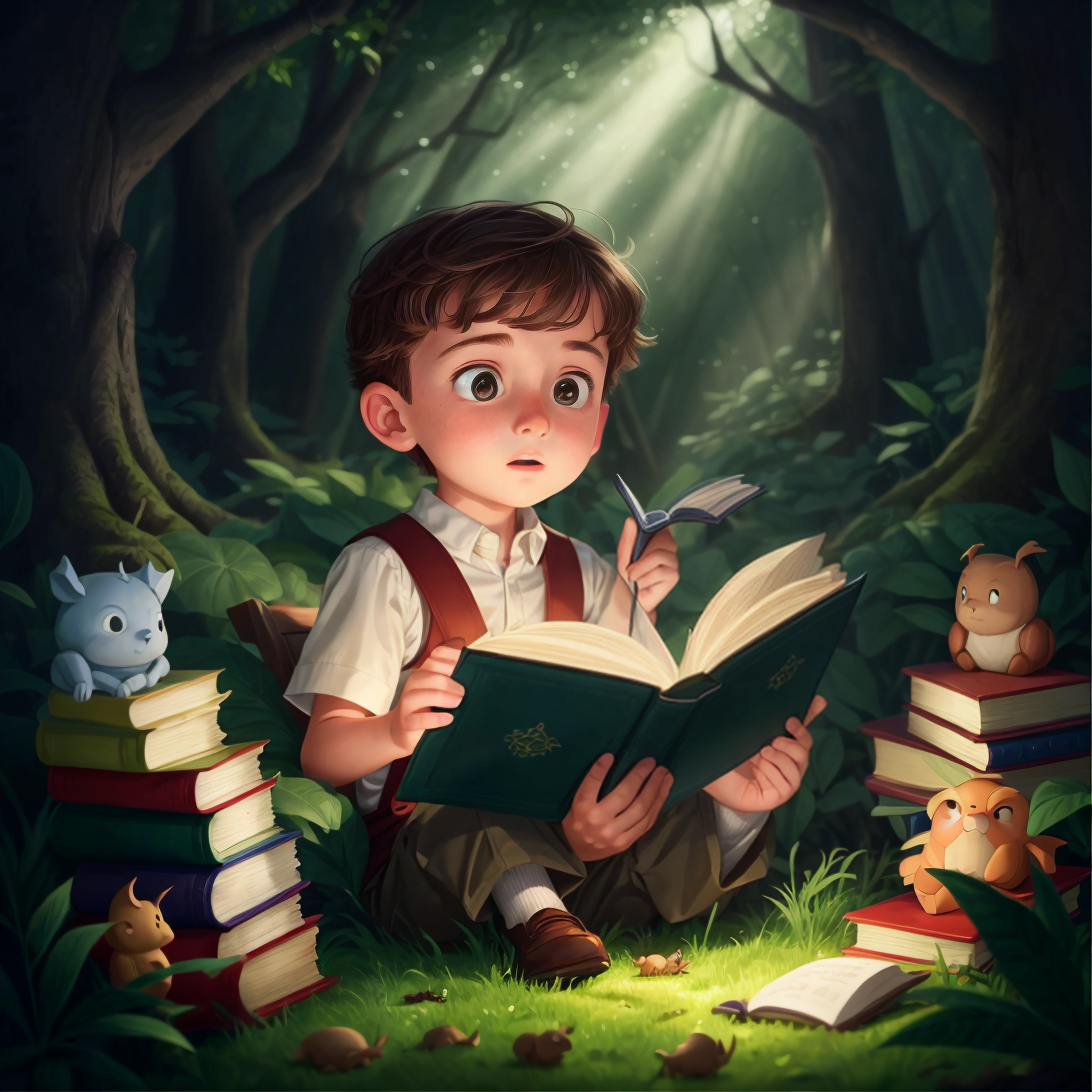
Enfants avec des grands pouvrois magiques qu'ils ne soubsonnait pas encore

1 page,( 1st illustration) It should be like a modern fairy tale.: Inside an ordinary bus. Jack (the wolf) is standing in the center of the bus. She has a collar on her neck - the collar is slightly thicker than at the 3rd point. An old scientist with glasses is standing next to him. A girl (Little Red Riding Hood), but she is about 10 years old / maybe in shorts / T-shirt / with a small handbag for a girl / in a red riding hood (you can choose a hat to your liking) A fat woman in a green dress is watching them nearby. The crowd on the bus is surprised and films everything on their phones. Page-4, (2nd illustration) The boy is hanging on the balcony (2nd floor) with his trousers. Outside, children (9-10age) boys looking at him hanging there. From Page-6, (3rd illustration) oath, all Jack (wolf), Robin, Little Red Riding Hood raise their right hand and say the oath. (You can read the page 6 and have some idea) Another page also from Page-6, (4th illustration) …Robin explained, continuing to shake it. A bright beam of light shot out from the feather, and a large screen appeared, resembling a monitor. It displayed a view of one of the poor districts in India. On the screen, a family with several children appeared…
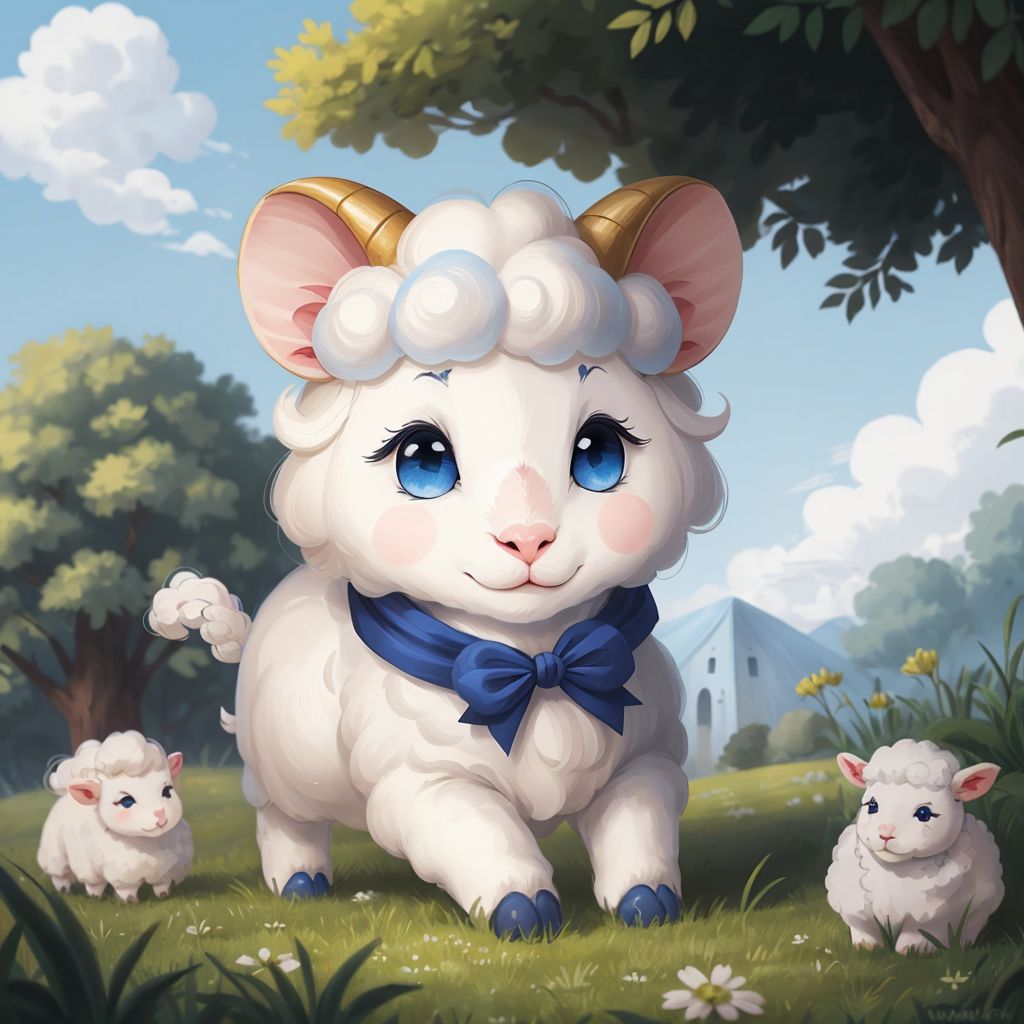
1. In the African savanna, a spirited white lamb named Lila stood out for her fluffy wool and stubbornness. 2. One day, the wise shepherd Mosi warned the flock about the cunning leopard, Jabari, urging them to stay close and vigilant. 3. Confident in her abilities, Lila dismissed his advice, boasting that she could outsmart any predator. 4. One evening, while chasing a butterfly, Lila wandered too far from her flock. As she admired her reflection in a stream, Jabari, lurking nearby, pounced and taunted her for being alone. 5. Instead of fleeing, Lila defiantly challenged him. Amused, Jabari chased her, but Lila quickly spotted some bushes and zigzagged to evade him. 6. Jabari miscalculated his jump and got caught in the bushes, allowing Lila to escape. 6. With fear and determination, Lila raced back to her flock, narrowly avoiding Jabari's grasp. 7. Upon reuniting, her friends scolded her for straying, and Lila felt the weight of her recklessness. 8. That night, as they listened to Mosi's stories under the stars, she learned the importance of combining bravery with wisdom. 9. From then on, Lila shared her cautionary tales, understanding that true safety lies in staying close to her flock. 10. Meanwhile, Jabari realized that persistence can be as elusive as a small lamb in tall grass. 11. Together, Lila and her friends continued their adventures, embodying the lesson that strength must be paired with wisdom. The End.

Grumpy don always yells .
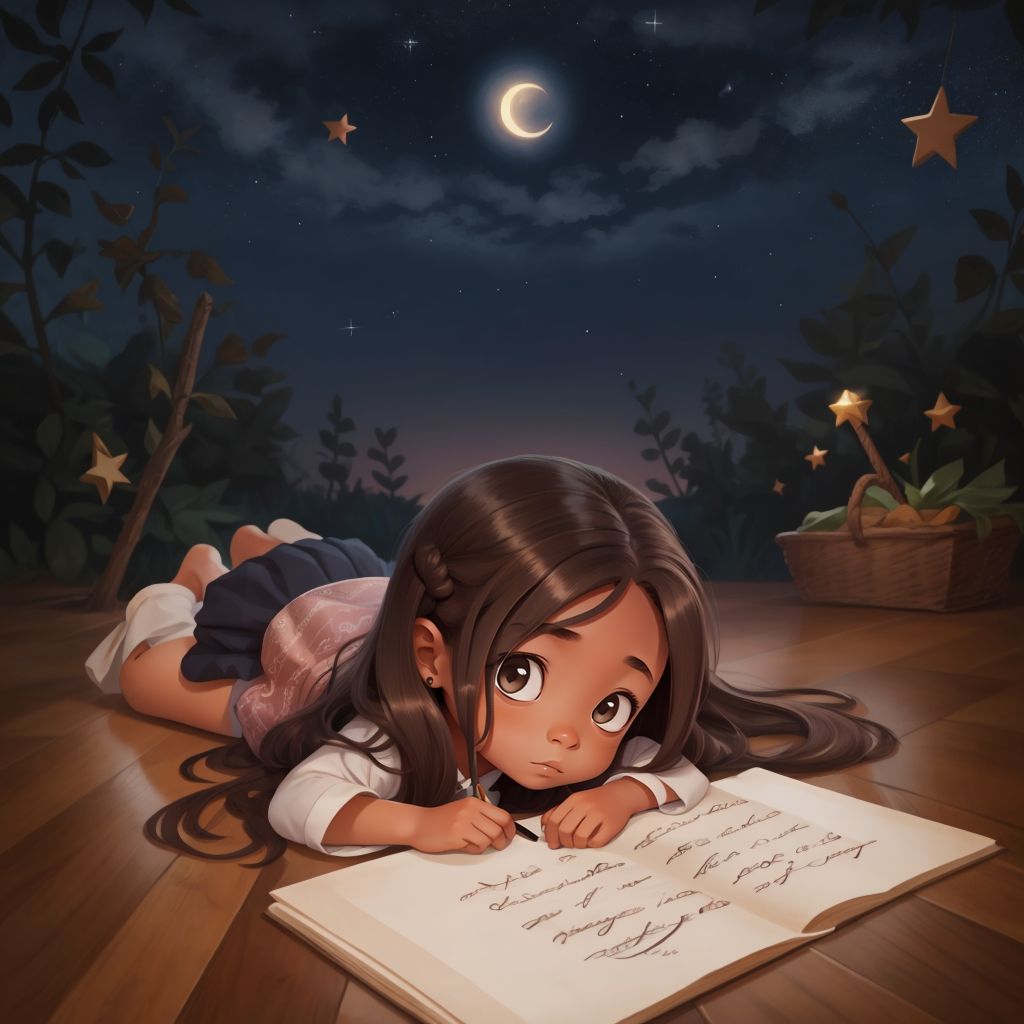
Alicia Se tiró en el suelo, casi esperando que una estrella cayera del cielo para darle una idea, como en una película que había visto hace poco. una nota entre sus manos un mundo mágico hecho de golosinas tres amigos: conejito de malvavisco, una ardilla de galleta y un zorro de algodón de azúcar. un columpio hecho de arcoíris y nubes en la cima de una montaña Rey de los Sueños, un ser brillante con una capa hecha de estrellas fugaces collar con una cápsula de mermelada
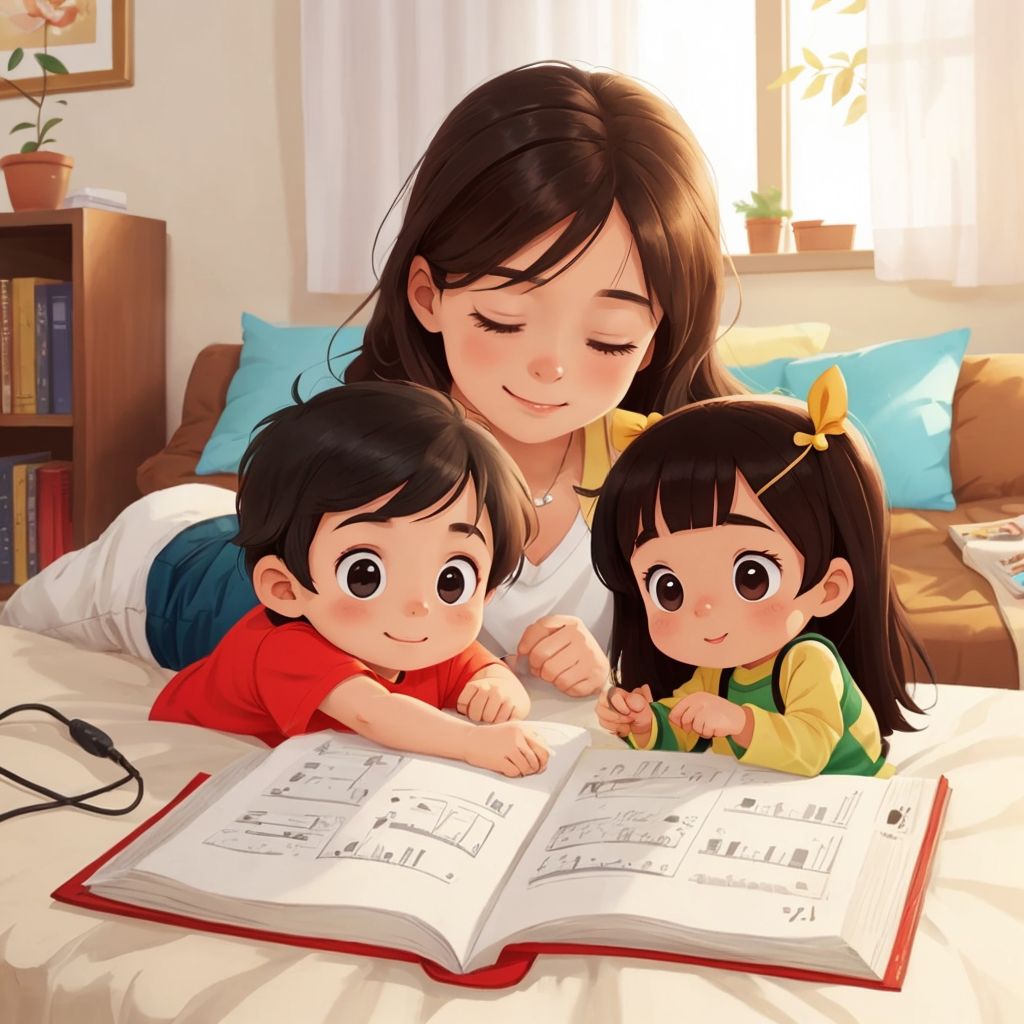
Adventures in Motion: Mia and Max's Park Playtime" is an engaging, interactive storybook aimed at children aged 4-8, focusing on fundamental physical movements. In this vibrant tale, young readers follow the lively duo, Mia and Max, through a series of fun and educational activities at the park. Each page presents a new adventure, from jumping over puddles to balancing, running, throwing, and climbing, offering a playful exploration of essential movements.
كرار وليس فرار
Celebrating Our Special Bodies Our bodies are special—they can move and play, Waving hello, giving hugs, and smiling all day. Your arms can stretch wide to share love and cheer, Your hands can clap, tap, and give a high five, my dear! Expressing Through Movement Look at your fingers: wiggle them slow, one, two, three— Count them out loud and set your kind spirit free. Jump, twirl, or tiptoe, let your body sing, Every move you make can make your heart ring. Emphasizing Gentle Movements But listen very close—there’s something you must know: Our bodies are for gentle moves, not for causing woe. Hitting, slapping, or pushing can hurt a friend’s heart, It makes their body hurt and tears their happy world apart. Hands Are Not For Hitting Imagine if someone hit you—ouch, that would sting! So let’s promise together, in a gentle, steady ring: “Hands, arms, and feet are for love and fun, Not for hurting others—no, not one!” Recognizing Big Feelings Sometimes you feel angry, sad, or even a bit scared, Maybe someone takes your toy, and you feel unprepared. When big feelings start to rise, here’s what you can do: Take a deep breath—in… and out… let it flow right through. Self-Soothing Strategies Clap your hands gently, tap your feet with care, Or squeeze a soft pillow—let your worries clear. Press your hands together like you’re giving yourself a hug, Count slowly with your fingers—feel calm, safe, and snug. Positive Ways to Use Your Hands Your hands are perfect for waving a bright hello, For drawing pretty pictures or making a paper bow. They’re great for a high five when a friend does something neat, Or giving a gentle pat to show that love is sweet. Kind Alternatives for Upset Moments When you’re feeling upset, try these kind things instead: Open your arms for a warm hug or tap out a beat with your head. If your anger grows, count your fingers—one by one, Then take another deep breath until your storm is done.

Hana, a curious and caring girl in Hawaii, faces challenges with new neighbors who are mean and rude, making her yard unsafe. During a family hike in the Hawaiian mountains, she discovers a mysterious message in a sacred bowl. Respectful of the sacred grounds, Hana is intrigued by the message urging 'Heal with Ho'oponopono'. Seeking guidance from a wise elder, Kupuna Ku'uipo, she learns about Ho'oponopono's four steps: Repentance (Ke Mea Kuleana), Forgiveness (E kala mau ia'u), Gratitude (Mahalo), and Love (Aloha wau ia 'oe). With each step, Hana feels lighter and more peaceful. She practices Ho'oponopono on her neighbors, transforming them into kinder individuals. Inspired, she uses Ho'oponopono to heal the land with a community ceremony. News of her healing spreads, attracting people from across the island to learn from her. Hana realizes that Ho'oponopono is a way of life, fostering harmony among people and the Earth. In the end, she plays in her yard peacefully with her neighbors, surrounded by a world of harmony, love, and Aloha.

Harvey is introduced to new philosopher by Mr. Smith. His name is Friedrich Nietzsche and he was one of the most influential German classical scholar of the 18th century. Mr. Smith told Harvey that Nietzsche was the youngest person as chair of Classical Philology at the University of Basel in Switzerland in 1869, at the age of 24. Harvey was so impressed and amazed. Mr. Smith continues to explain Friedrich Nietzsche's main philosophical concept which is based on two figures in ancient Greek mythology Apollo and Dionysus. Mr. Smith also said that Nietzsche found in classical Athenian tragedy an art form that transcended the pessimism found in the so-called wisdom of Silenus. The Greek spectators, by looking into the abyss of human suffering depicted by characters on stage, passionately and joyously affirmed life, finding it worth living. The main theme in The Birth of Tragedy is that the fusion of Dionysian and Apollonian Kunsttriebe ("artistic impulses") forms dramatic arts or tragedies. He argued that this fusion has not been achieved since the ancient Greek tragedians. Apollo represents harmony, progress, clarity, logic and the principle of individuation, whereas Dionysus represents disorder, intoxication, emotion, ecstasy and unity (hence the omission of the principle of individuation). Nietzsche used these two forces because, for him, the world of mind and order on one side, and passion and chaos on the other, formed principles that were fundamental to the Greek culture: the Apollonian a dreaming state, full of illusions; and Dionysian a state of intoxication, representing the liberations of instinct and dissolution of boundaries. In this mould, a man appears as the satyr. Harvey felt so empowered and understood what Nietzsche meant; life is full of suffering and chaos and hard work and that's where we should find enjoyment and happiness by valuing what is most worth to us.
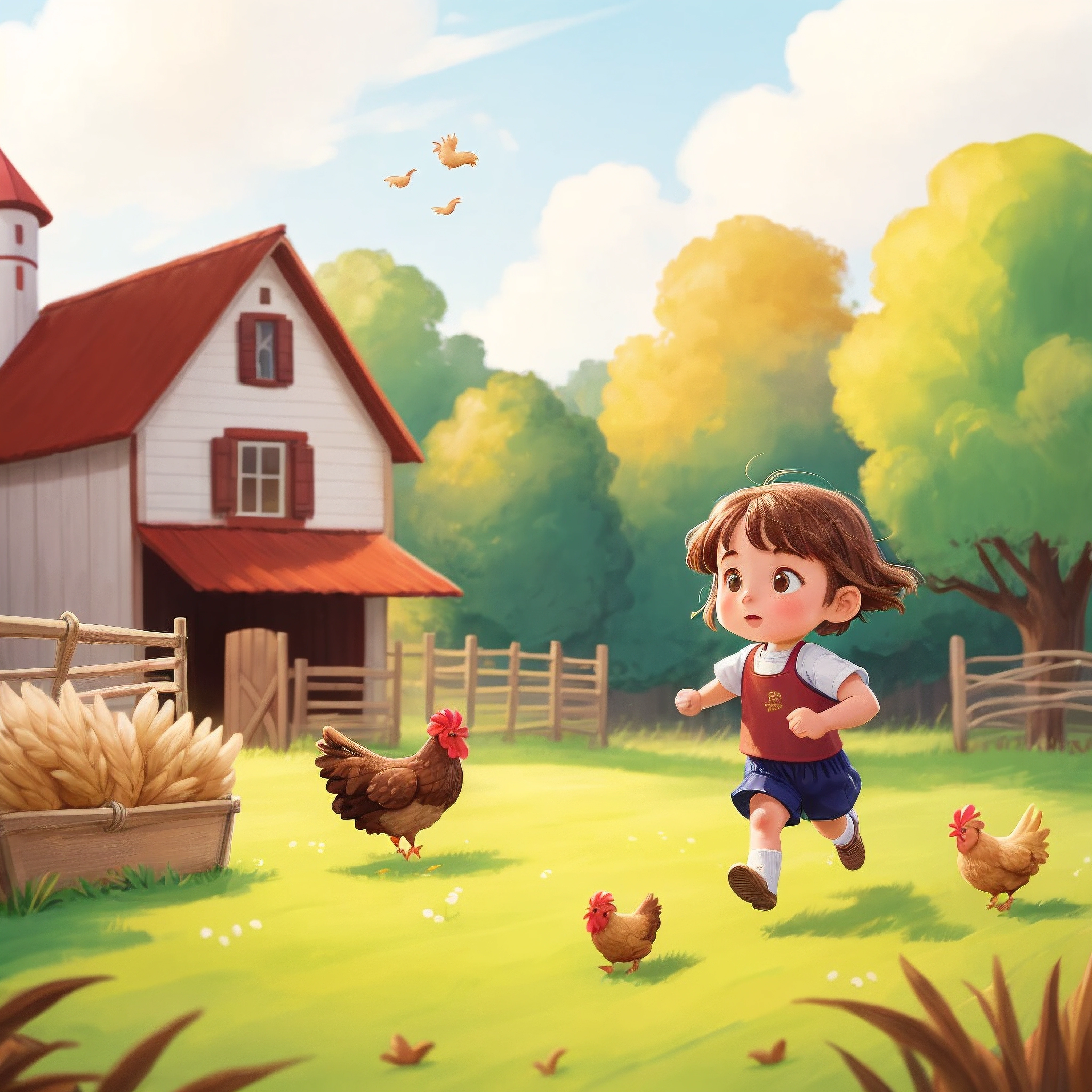
1. girl visits grandpa on farm 2.girl visits grandpa on farm 3. girl visits two aunties
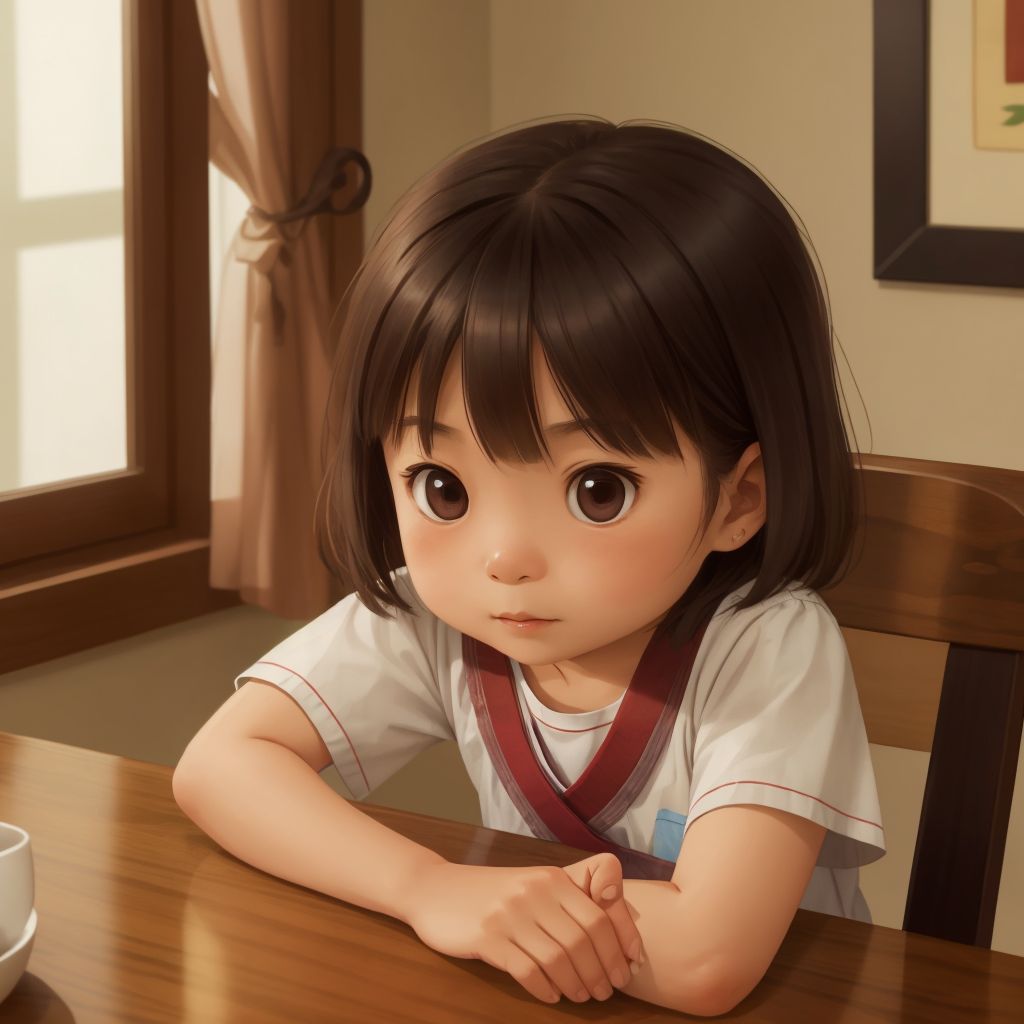
Tahun ini ramadhan terasa begitu lama, sebab biasanya di tahun-tahun lalu selalu ada yang menemani Arin menunggu bedug maghrib
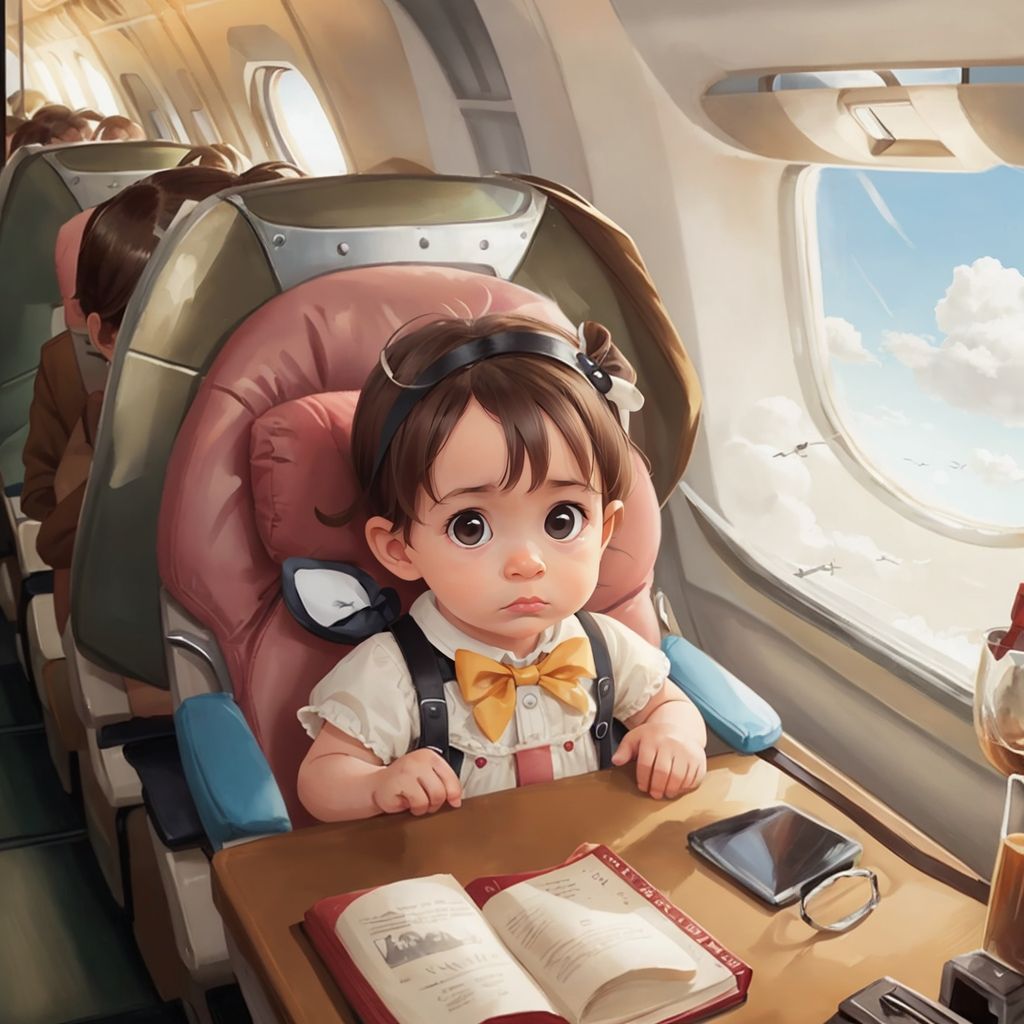
1. Ada went to Marseille with her mom and dad via plane. 2. First day, they attended a wedding. 3. Then, they went to old port of Marseille. She was so surprised with big boats. 4. Next day, they went to beach and she saw a private dog beach. She played with them 5. Next day, they made a city tour and had a dinner in downtwon. 6. She played with 2 french girls in the restaurant 7. They came back to home. 8. She dreamed of her next holiday.
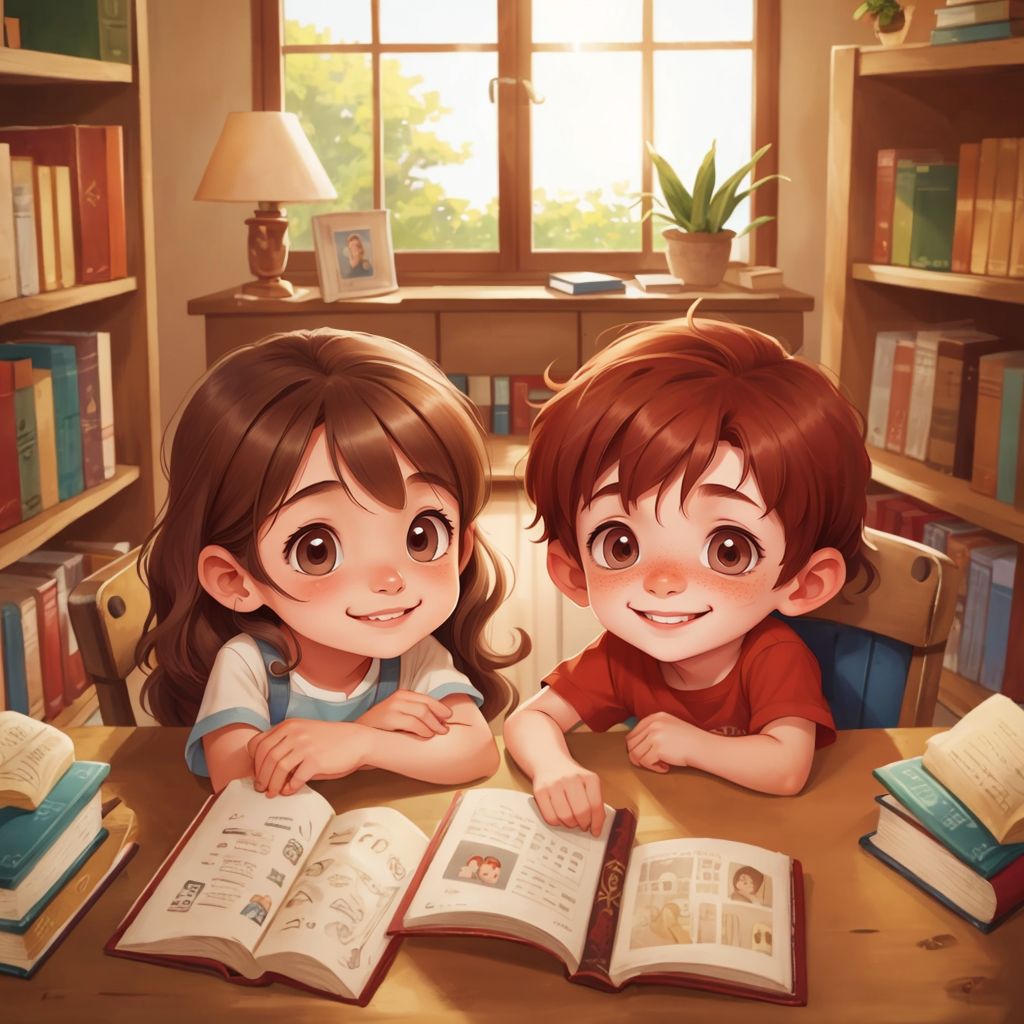
Sophia and Kallen learn about the importance of understanding text features in a nonfiction book. Headings: Titles or subtitles that indicate the topic of a section. Titles: The main title of the document or section that summarizes the content. Bold Print: Text emphasized for importance or to highlight key terms. Italics: Text style used for emphasis, foreign words, or titles of works. Captions: Descriptions or explanations of images, charts, or figures. Diagrams: Visual representations of concepts, processes, or systems. Maps: Geographic visuals showing locations, regions, or pathways. Graphs/Charts: Visual data representations, such as bar charts, pie charts, or line graphs. Photographs: Real images used to visually support or enhance the text. Tables: Grid-based layouts showing data or information in rows and columns. Sidebars: Boxes of additional information or facts placed alongside the main text. Glossary: A list of key terms and their definitions, usually at the end of a text. Index: An alphabetical list of key topics and the pages where they can be found. Table of Contents: An organized listing of the chapters or sections in the text. Labels: Text accompanying diagrams or images to identify parts or explain content. Timeline: A visual representation showing events in chronological order.
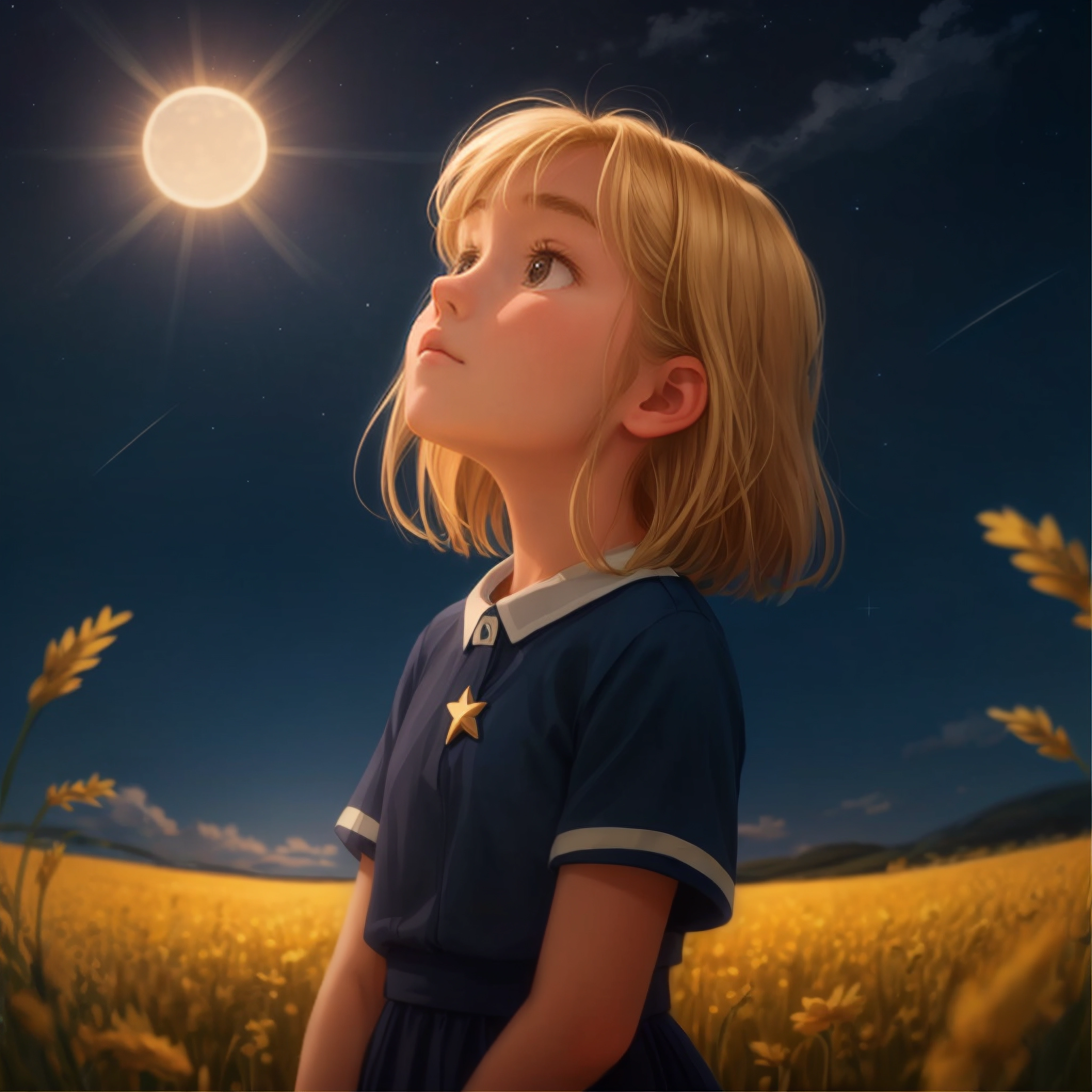
A book about a shepard girl named sophie and all of her friends Oliver, and Matthew as they witness Jesus's birth