
 Start Read
 Recommend
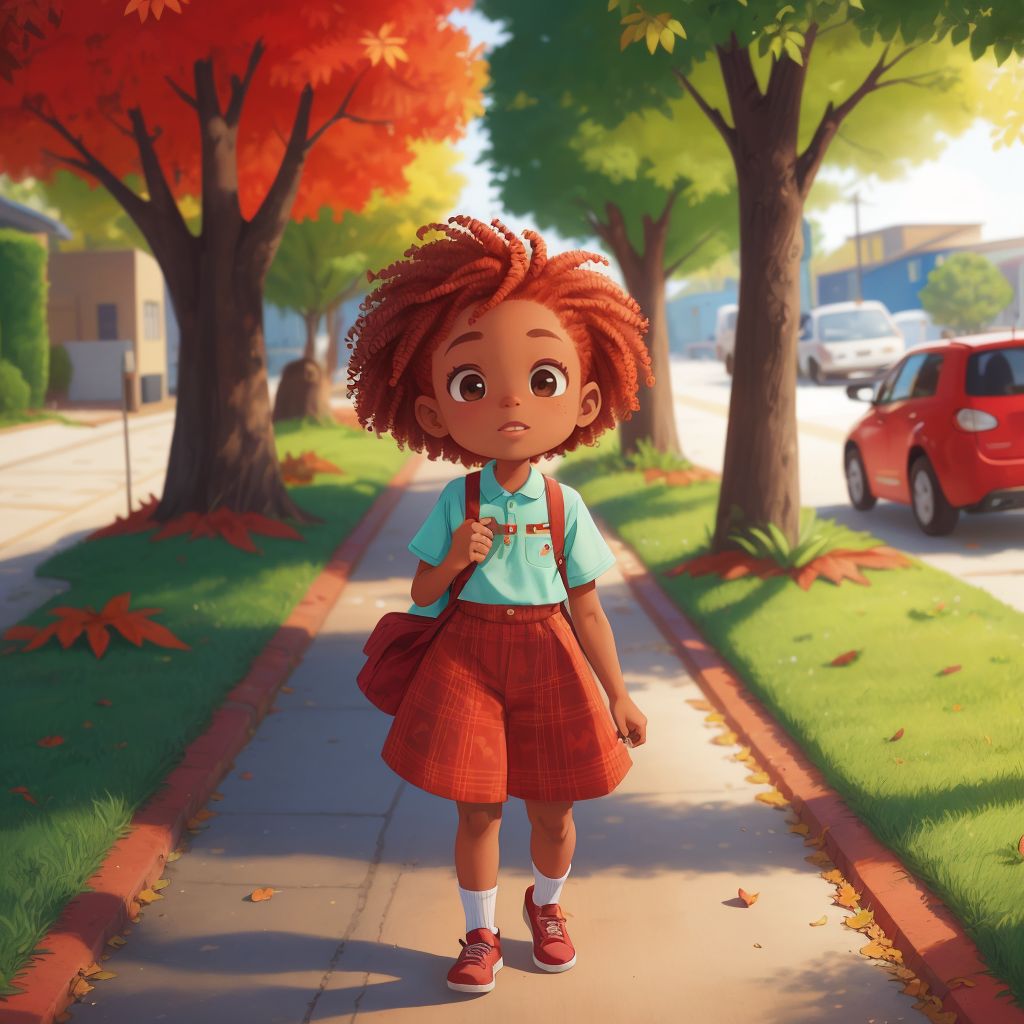
In 'My Brain Has Its Own Language,' young readers are invited to journey with a relatable protagonist who lives with ADHD and Autism Spectrum Disorder (ASD). Through a heartwarming narrative and captivating illustrations, the book explores the unique way our hero's brain works, celebrating their individuality. As the story unfolds, children learn to embrace their differences and discover that their brains have their very own special language. This empowering book fosters self-acceptance and encourages children to take pride in their unique minds, while also promoting empathy and understanding for peers with neurodiverse experiences. With practical resources and tools, it provides invaluable support for children and caregivers. 'My Brain Has its Own Language' is a beautifully written and illustrated story that opens the door to important conversations about neurodiversity, creating a world where diversity is celebrated and understood.
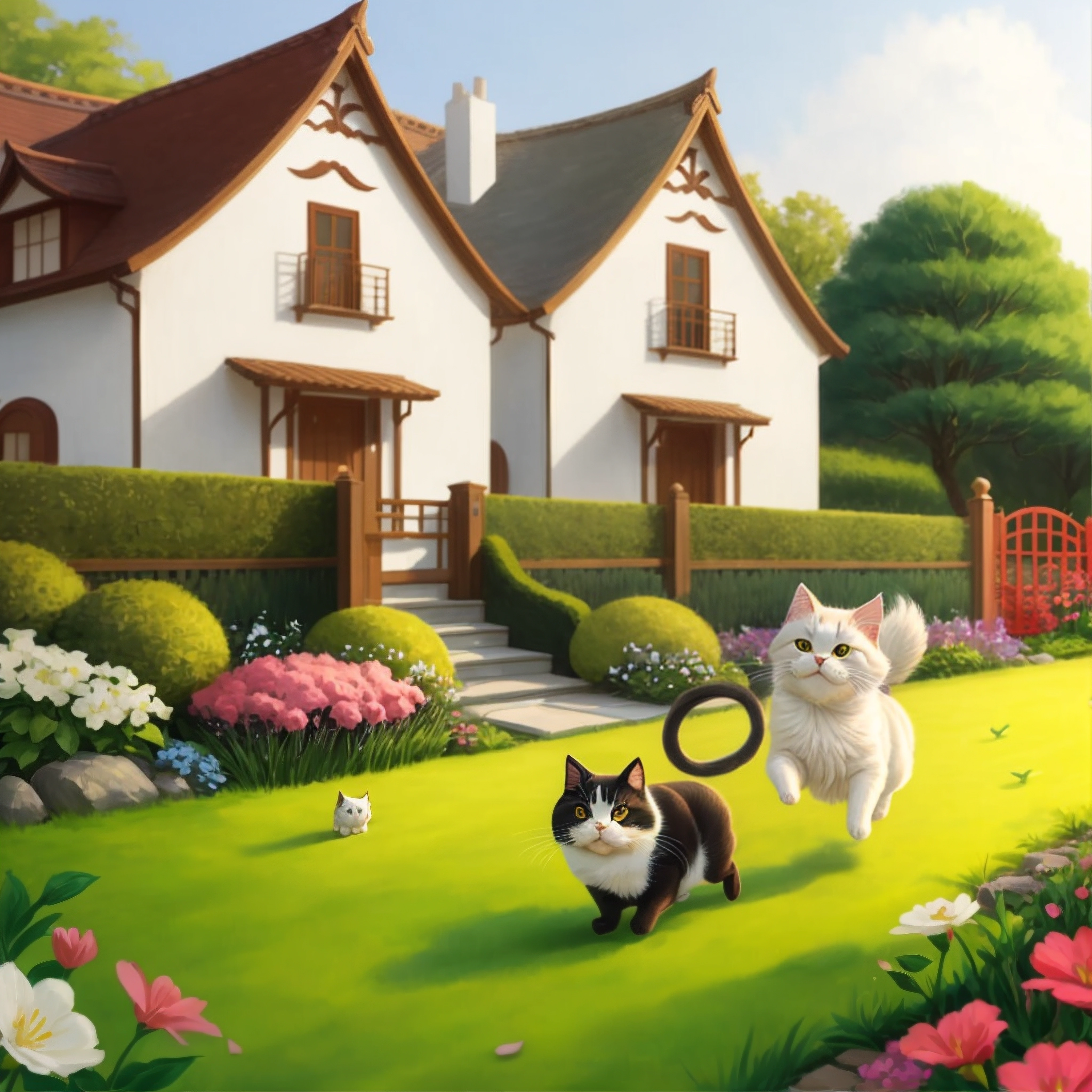
Kathy and Mom smiling in front of their house with garden Kathy running in front of Mom in garden Kathy Kathy's mother became upset and asked her to help Chintu out of the hole. Kathy and her mom dropped a ladder into the hole. Chintu climbed up and landed safely on the ground. Kathy’s mom said to them, "Dear children, it's not good to play tricks on others or hurt anyone else. Everyone should like each other and stay happy." Chintu felt very bad and he promised not to trouble anybody again and be friends with everyone. Kathy hugged her mom and said , “I won’t hurt anyone on purpose and l will always help the one in need”. They continued their journey and reached grandmother’s house happily and safely. Play with rashpberry plant Kathy saw Chintu puppy Chintu chase Kathy Chintu fell into a hole. When Kathy’s mom arrived, she was surprised to see Chintu crying in the hole. Kathy explained her plan and how Chintu had fallen into the hole.
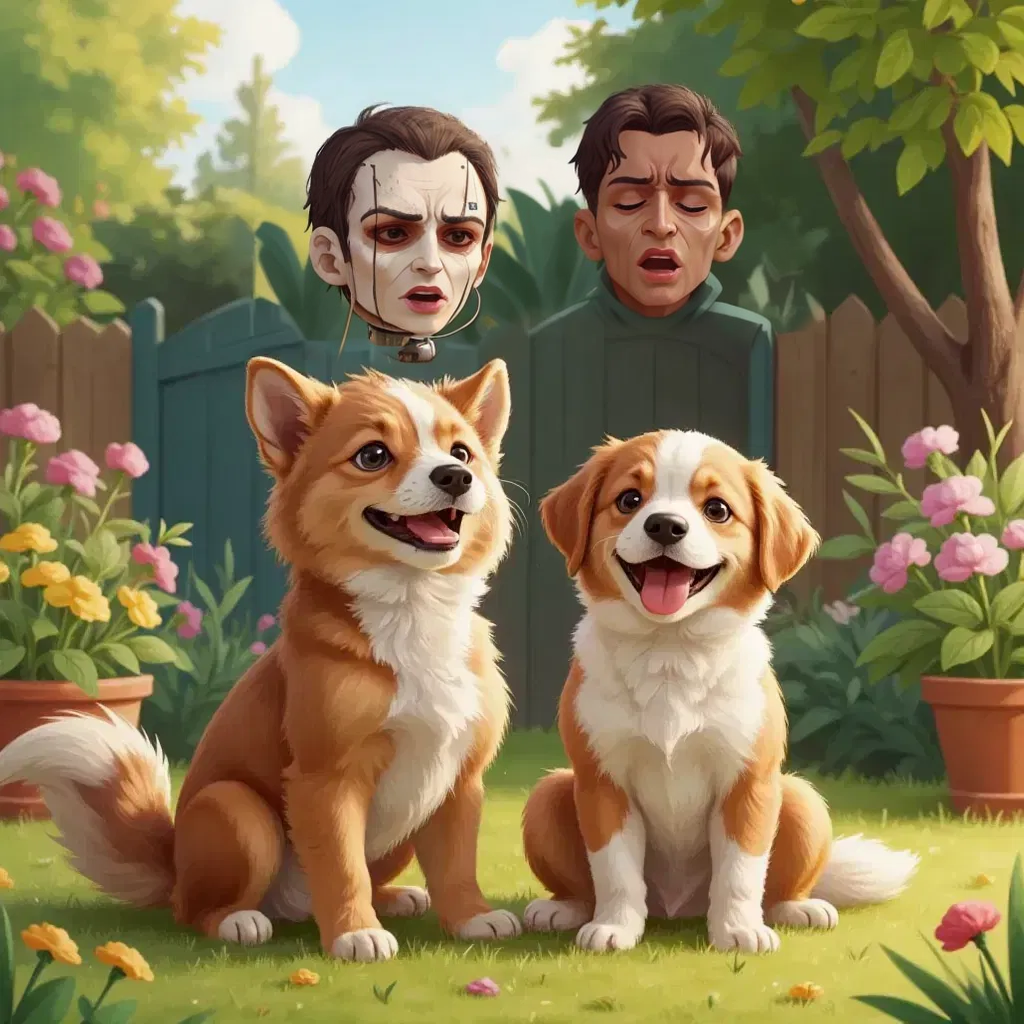
Puppy named Walter joins new family, his older brother Otto is slow to warm up to him.
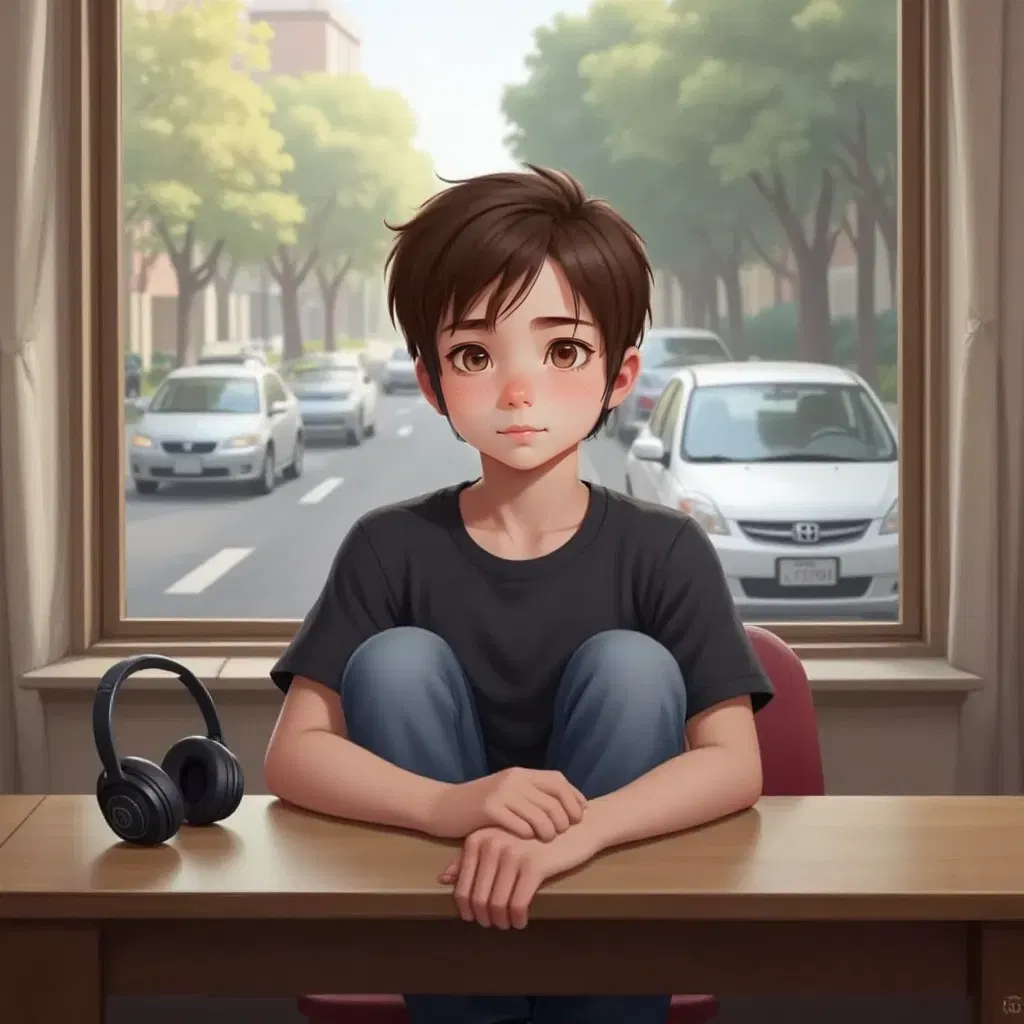
An Autistic boy struggles to enjoy the holidays with his noisy family.

The book is a tale about the verb to be in the Present Simple. Am, is and are are the main characters. Am makes friends only with I, is makes friends with he, she, it. Are makes friends with you, we, they
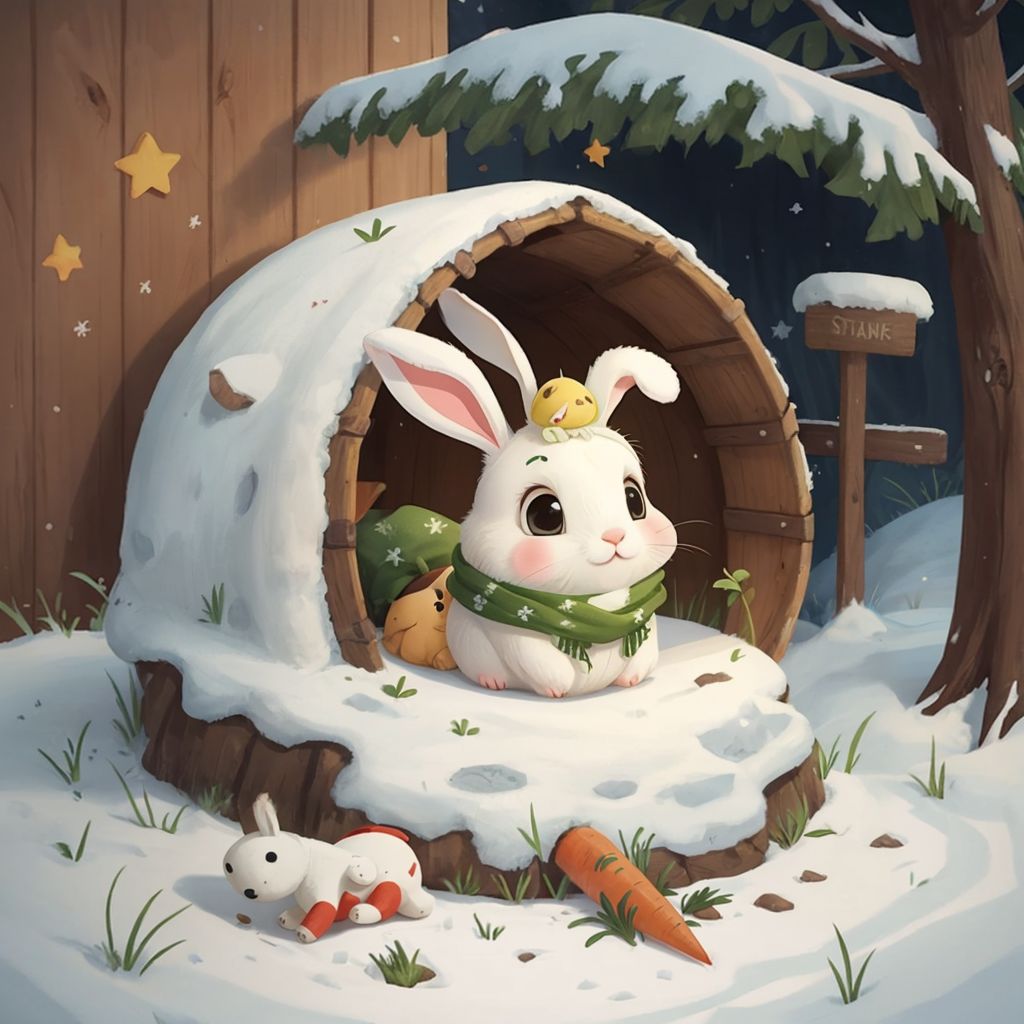
Benny the Bunny, a small white bunny with light brown spots and a green scarf, sits in his cozy burrow, surrounded by scattered toys and carrots. The walls are soft and curved, leaving room for text. Benny peeks out from his burrow and looks at the snowy forest. Snowflakes fall gently from the sky, and the trees are covered with snow, providing space for text. Benny tilts his head curiously as Robin the bird explains New Year’s Day. Robin sits on a tree branch, and Benny stands below, with plenty of open space in the snowy forest for text. Benny stands next to Sage the Squirrel, who holds a scroll with ‘New Year’s Resolutions.’ The peaceful forest provides a calm backdrop, leaving room for text. Benny sits thoughtfully in his burrow, looking around at the mess. The cozy burrow is spacious, with warm light glowing and space for text. Benny stands proudly with a broom in front of his burrow, ready to clean. The forest outside is quiet, and there’s plenty of open space for text in the snowy background. Benny tries to clean, but toys and carrots fall over. The burrow looks cozy yet messy, and the snowy forest outside leaves room for text. Benny sits in his messy burrow, feeling overwhelmed. The space feels warm, with scattered toys, carrots, and plenty of room for text. Benny listens as Sage the Squirrel offers encouragement. The snowy forest around them leaves open space for text. Benny, with a determined smile, begins organizing his toys. The cozy burrow’s background is clear, allowing plenty of room for text. Benny stands proudly in front of his tidied burrow, beaming with pride. The forest is serene, and there’s space for text in the soft, glowing light. Benny hops toward Robin, ready to share his New Year’s resolution. The snowy forest provides an open, calm space for text, with snowflakes gently falling.
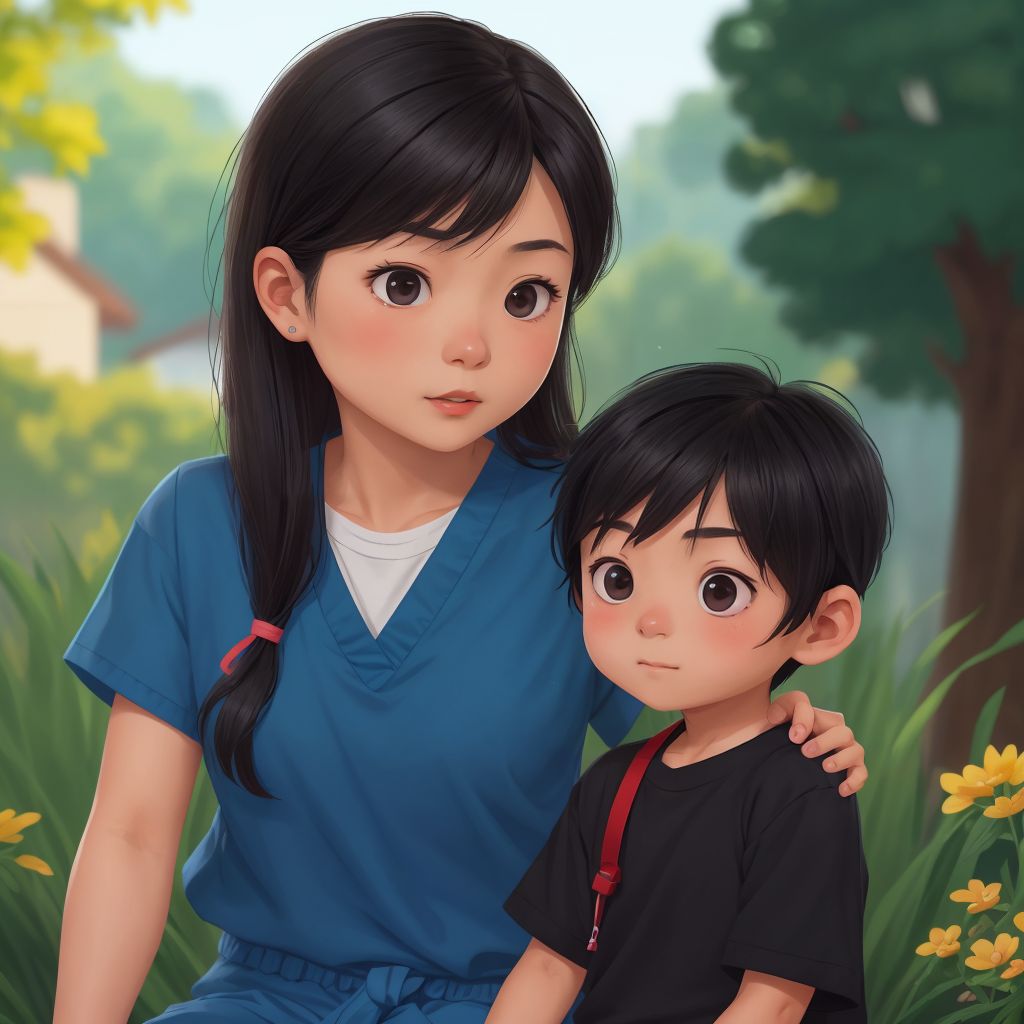
1. Boy looks up to his mom who is a nurse. 2. Mom works at the hospital taking care of sick people. 3. Mom's job can be stressful. 4. Mom save lives. 5. Mom takes care of boy when he is sick. 6. Boy looks up to mom and wants to be like her.
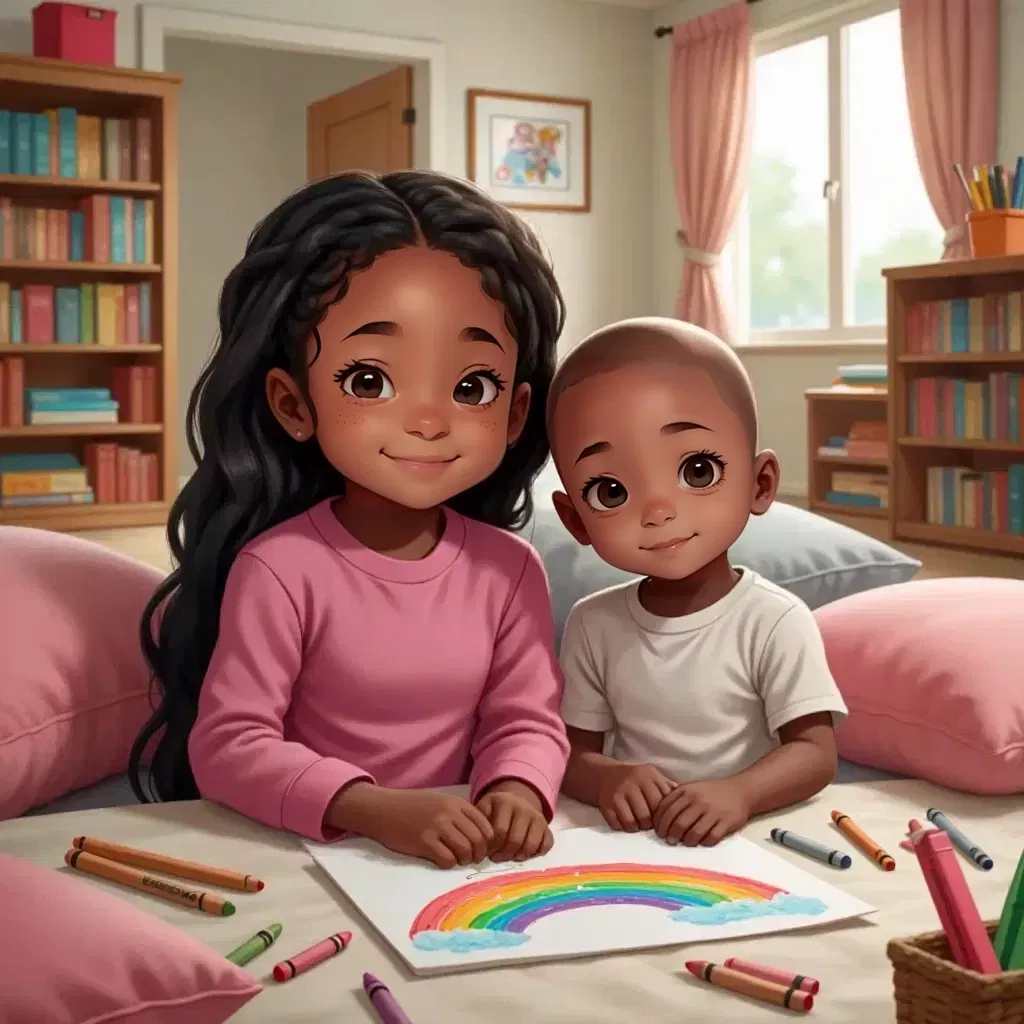
i would like a book that states positive affirmations for a prekindy class in childcare, stating how they are kind, responsible, creative, passionate, friendly, etc. colourful minimalistic design
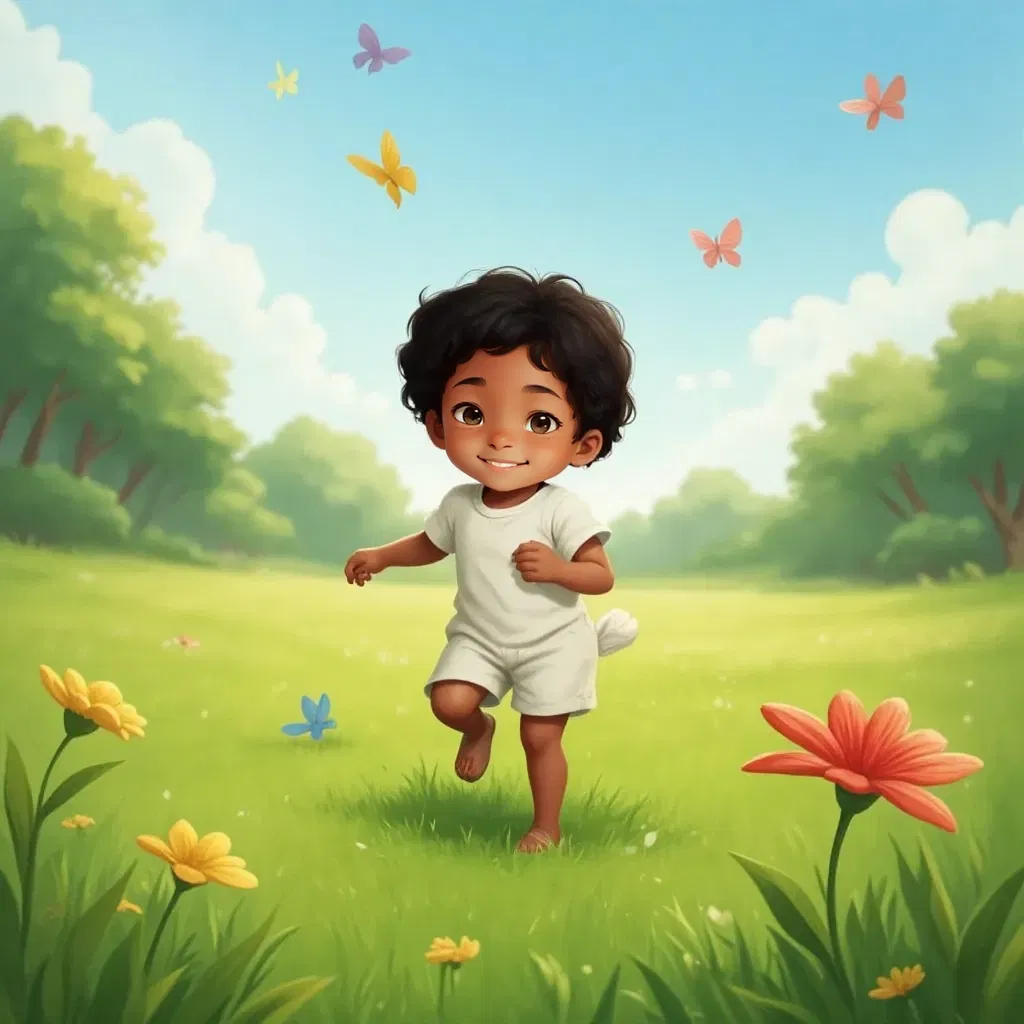
Lily was a little lamb who liked to play in the green meadows with her friends. All day she would run, jump, and chase butterflies. But one afternoon, as she played near the edge of the field, she spotted a bright red flower in the distance. “I’ll be right back!” she yelled to her friends as she sprinted toward it. But the more she walked, the more distant the flower became. Soon, Lily glanced around and realized that she was lost. The tall trees seemed to close in around her, and she could no longer see her home. Lily began to cry. “Shepherd! Where are you?” she called but did not receive an answer. Then she heard a familiar voice in the distance. It was the Good Shepherd, calling her name! “Lily! Where are you?” “I’m here!” she cried, her little heart filled with hope. The Shepherd rushed to her side, cradling her in His arms. “You just wandered away, my child,” He smiled. “But I have found you, and I am taking you home.” Lily cuddled up close to feel safe and loved. When they came back to the meadow, all her friends cheered. The Shepherd smiled and replied, “I will never stop looking for my lost sheep and bringing them back home.” So from that day forward, Lily, among the flock with the Shepherd, knew He would always love and protect her. “The Lord is my shepherd; I shall not want.” —Psalm 23:1
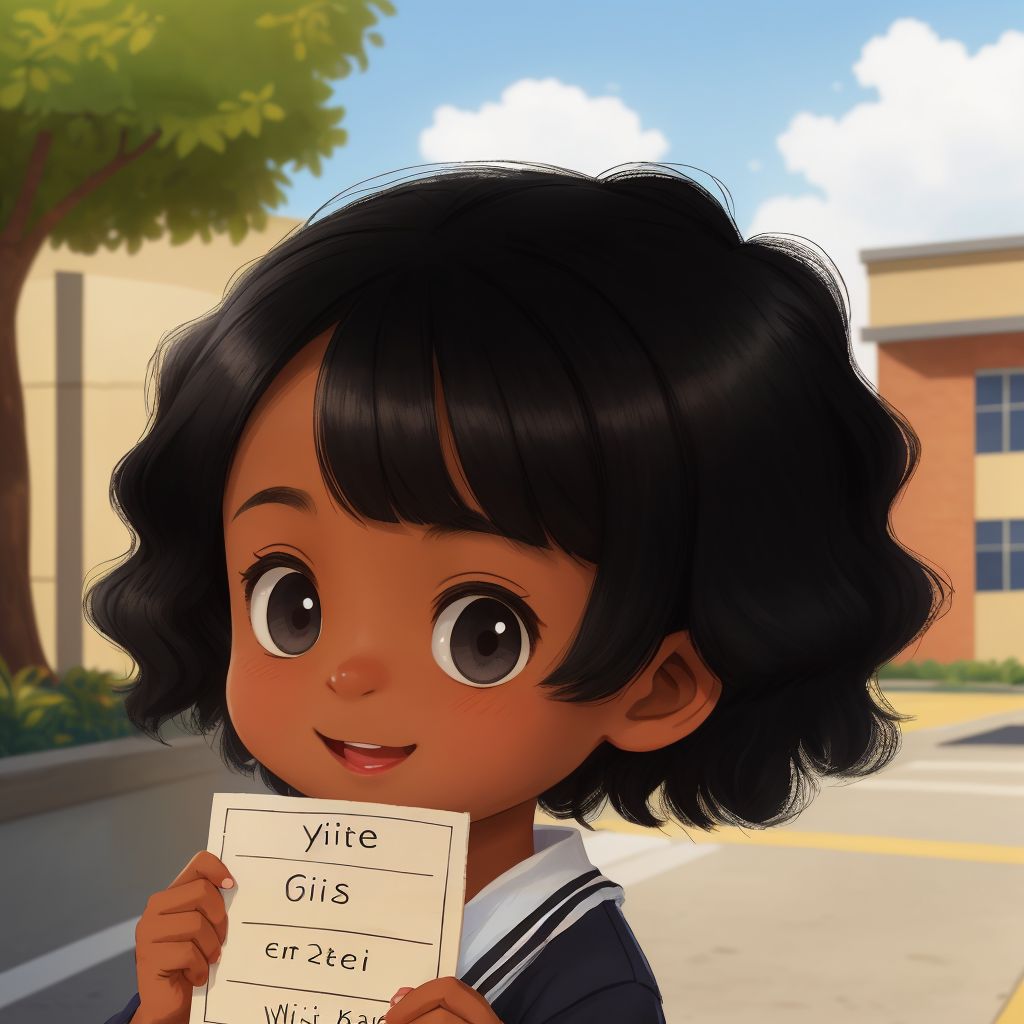
Our comic book-style story is about, what a superhero's field day at school would be like. Games and challenges using their unique and different superpowers. To see who will come out on top as the schools champion
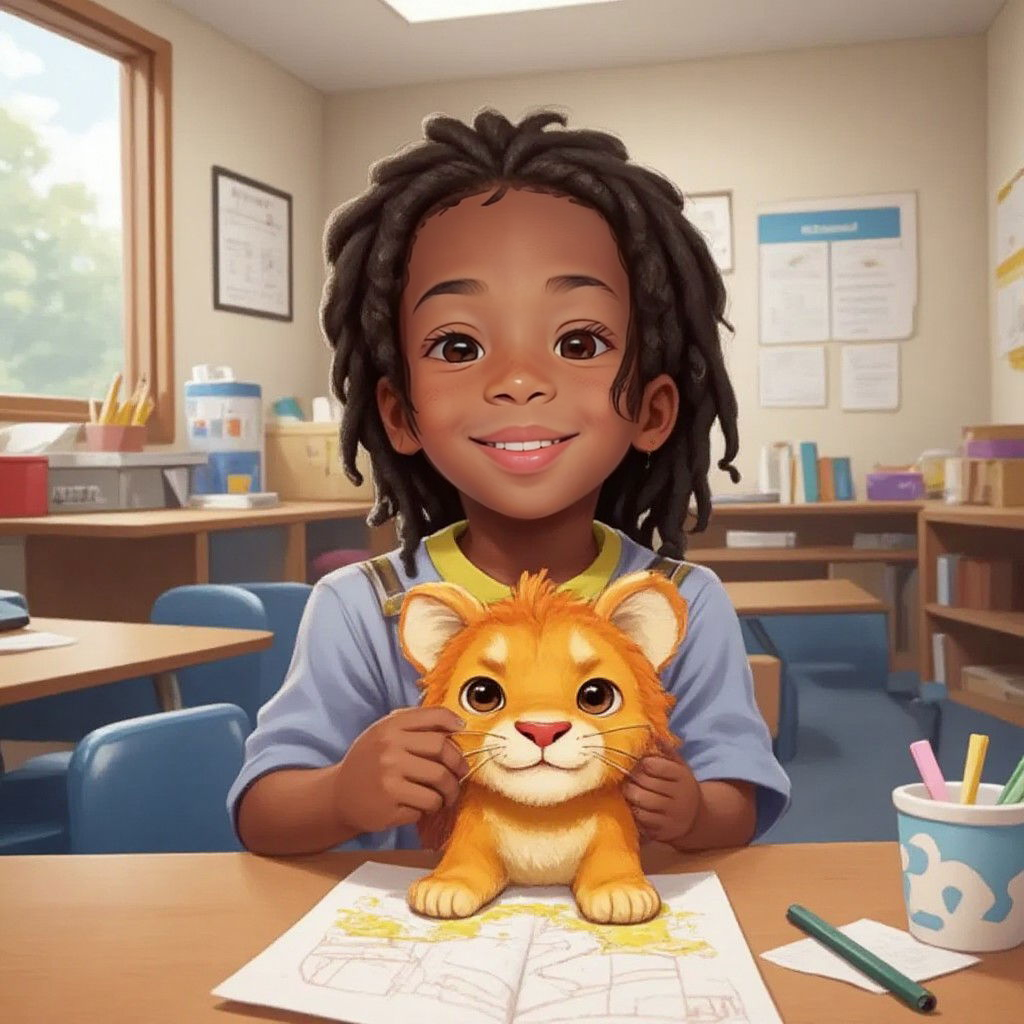
1. Kyngston is coloring a picture of a lion in a classroom. 2. Jakobi giving a thumbs up in the classroom. 3. Kyngston standing in front of the mirror at home smiling at his reflection. 4. Kyngston skipping in the house singing. 5. Kyngston working on his work in school in the classroom at his desk. 6.He sits with a teacher learning new words at school. 7. Jakobi sitting beside Kyngston learning new words with a smile on his face. 8. Kyngston sitting in a circle with his legs crossed cross applesauce. on the carpet at school with a book in his lap 9. Jakobi and Kyngston sitting in a circle on the carpet with a book ready to read with their legs crossed cross applesauce.. 10. Jakobi giving Kyngston a thumbs up while Kyngston is reading a book on the carpet with legs crossed cross applesauce. 11. The teacher smiles at Kyngston when he is done reading. 12. Kyngston has a big smile on his face while sitting on the carpet with his legs crossed cross applesauce. 13. He sat at his desk a looked in his little mirror and smiled. 14. Kyngston stood on the side of the bed and read a book to his two little sisters Kyndal and Kyndal while they laid in bed. 15. Kyngston smiled with pride while leaving Kyndal and Kyndals bedroom 16. Kyngston and Jakobi swung on the swings together at school
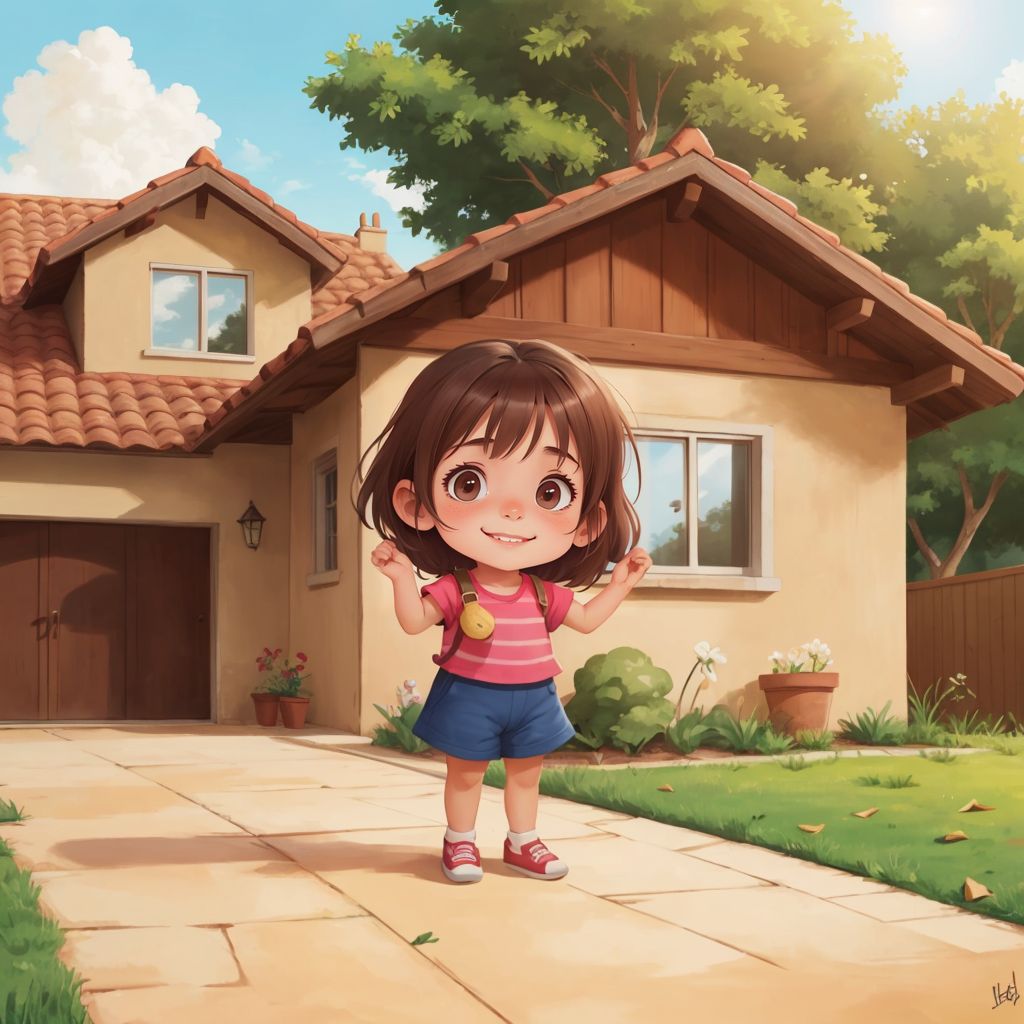
Create a 10-slide digital storybook for children aged 4–10. The storybook should introduce and explain four key nutrition assistance programs: • WIC (Women, Infants, and Children) • NSLP (National School Lunch Program) • SBP (School Breakfast Program) • CACFP (Child and Adult Care Food Program) Your story should educate young readers using simple language and engaging visuals. Incorporate community nutrition education principles, behavior change theories, cultural competence, and marketing strategies. Assignment Instructions: 1. Planning Phase A. Community Assessment • Choose a Target Group: Select a specific community (e.g., low-income urban families, rural populations, immigrant communities). You can use a group from a previous assignment if applicable. • Research: Find information about the nutritional status and challenges children in this community face using reliable sources like government health reports or academic studies. • Identify Knowledge Gaps: Determine what these children and their families might not know about nutrition and available food assistance programs. B. Set Objectives and Choose a Behavior Change Theory • Define Goals: Set clear, specific objectives for your storybook (e.g., increase awareness of nutrition programs among children aged 4–10 in your chosen community). Community Nutrition Assignment 3 Instructions • Select a Theory: Pick a behavior change theory to guide your content (e.g., Social Cognitive Theory, Health Belief Model etc). • Plan Implementation: Outline how you will use the chosen theory to influence children's perceptions and behaviors about nutrition.
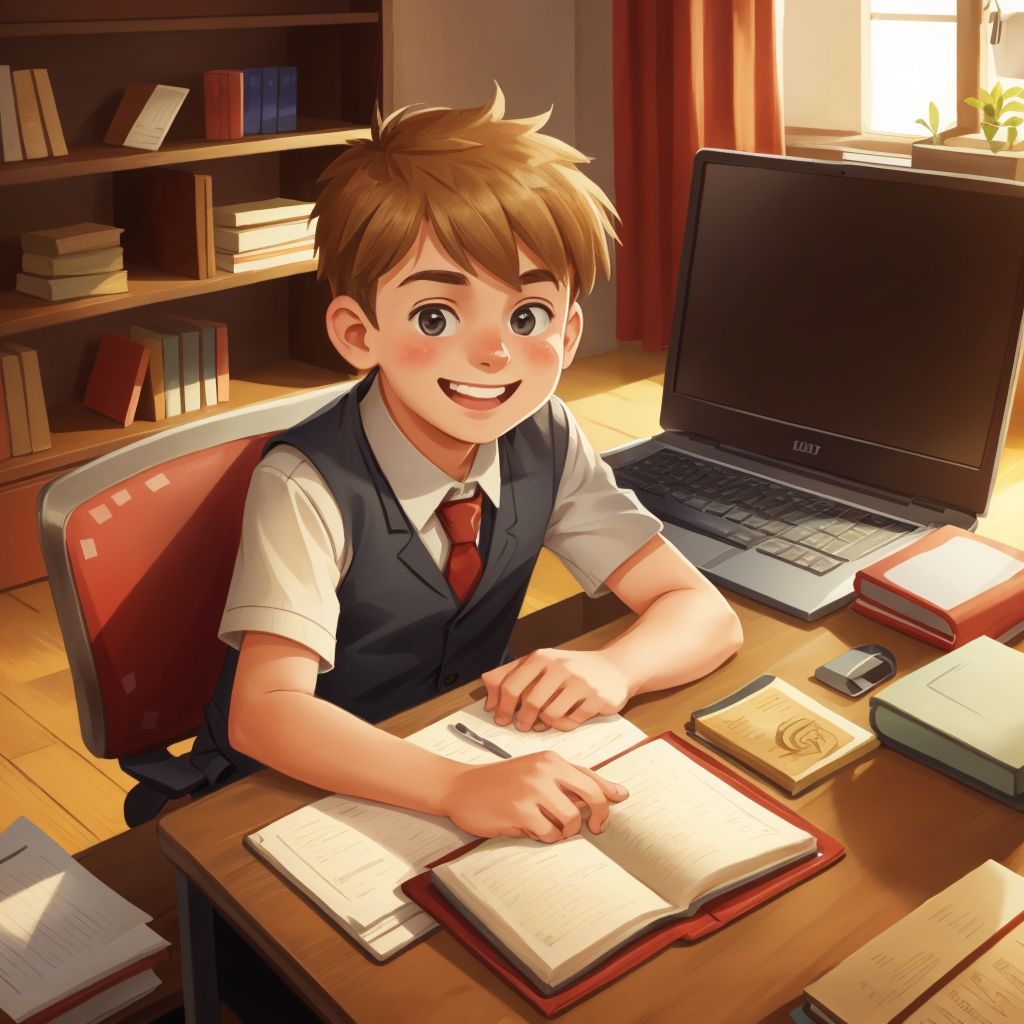
GOETHE A1
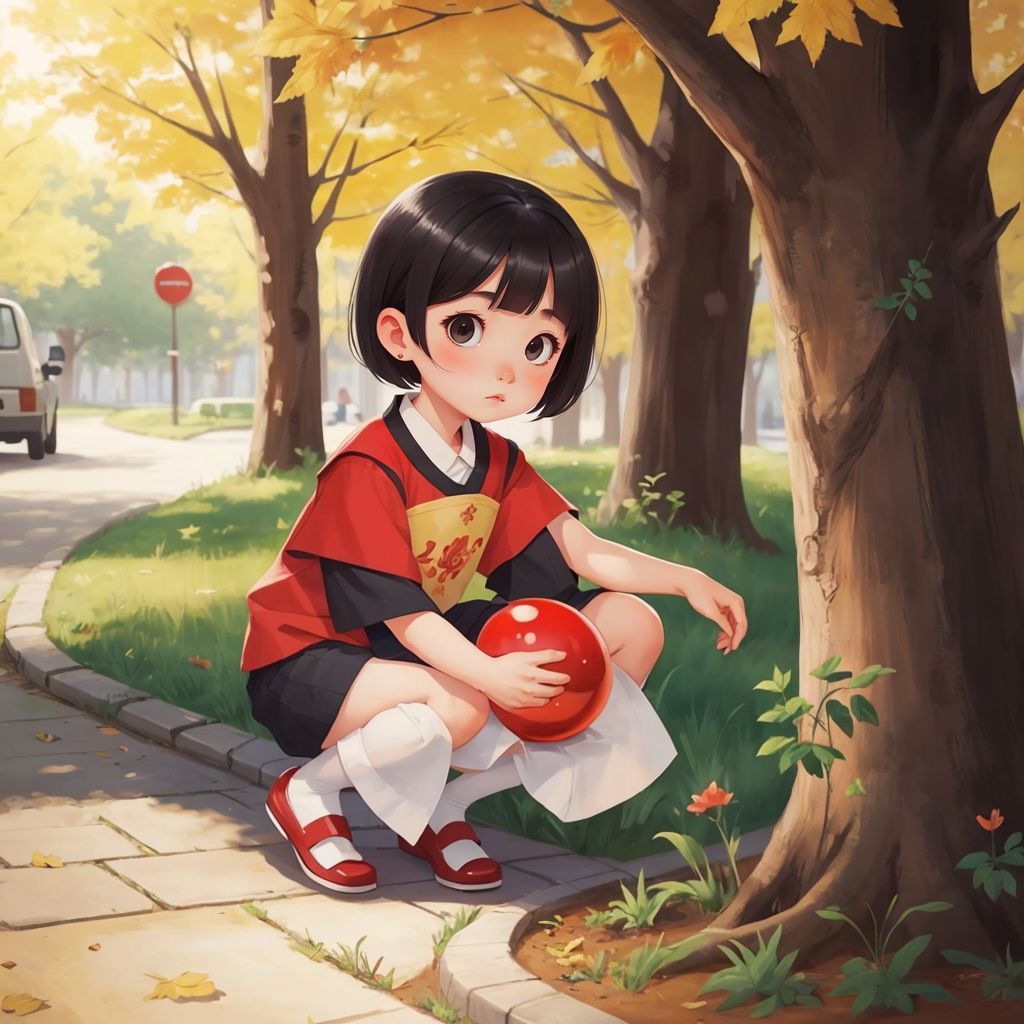
Book about sharing and making friends

1. a woman standing in front of the building. Beside the woman, there was a table and several goodie bags. The woman explained the cool money experience she would get if she attended a seminar. 2. The woman showed several items on the table, including 2 books, 1 snack box, 1 bottle of mineral water, and 1 bag containing gifts. 3. The woman brought 1 shopping voucher and said it would be raffled off to lucky seminar participants. 4. The woman was accompanied by several SAME teenagers, young people, and old people with faces full of enthusiasm and cheerfulness.
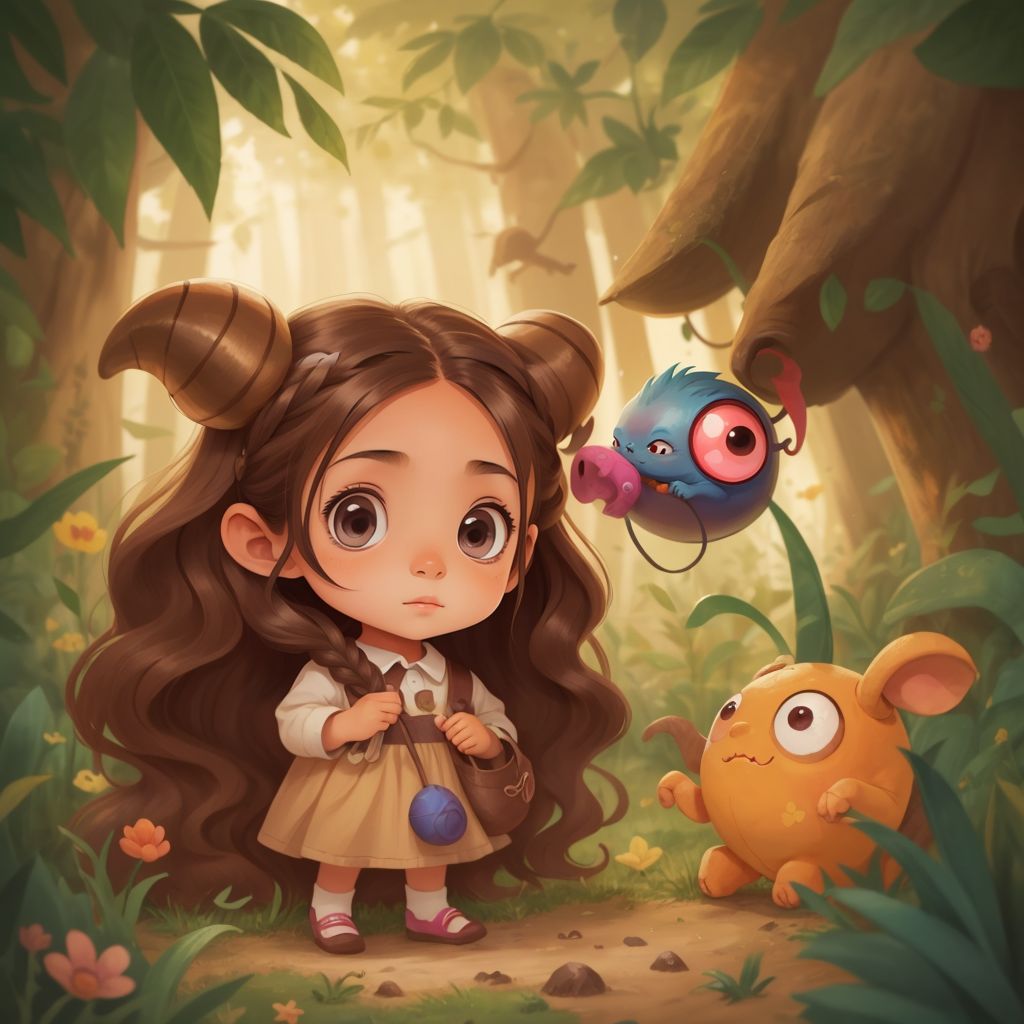
A little girl feels nervous about trying new things. Her parents explain to he there is nothing wrong with her - it is just Worry - a little bug that gets inside of you like a cold and the secret to getting rid of it is facing your fears and being brave
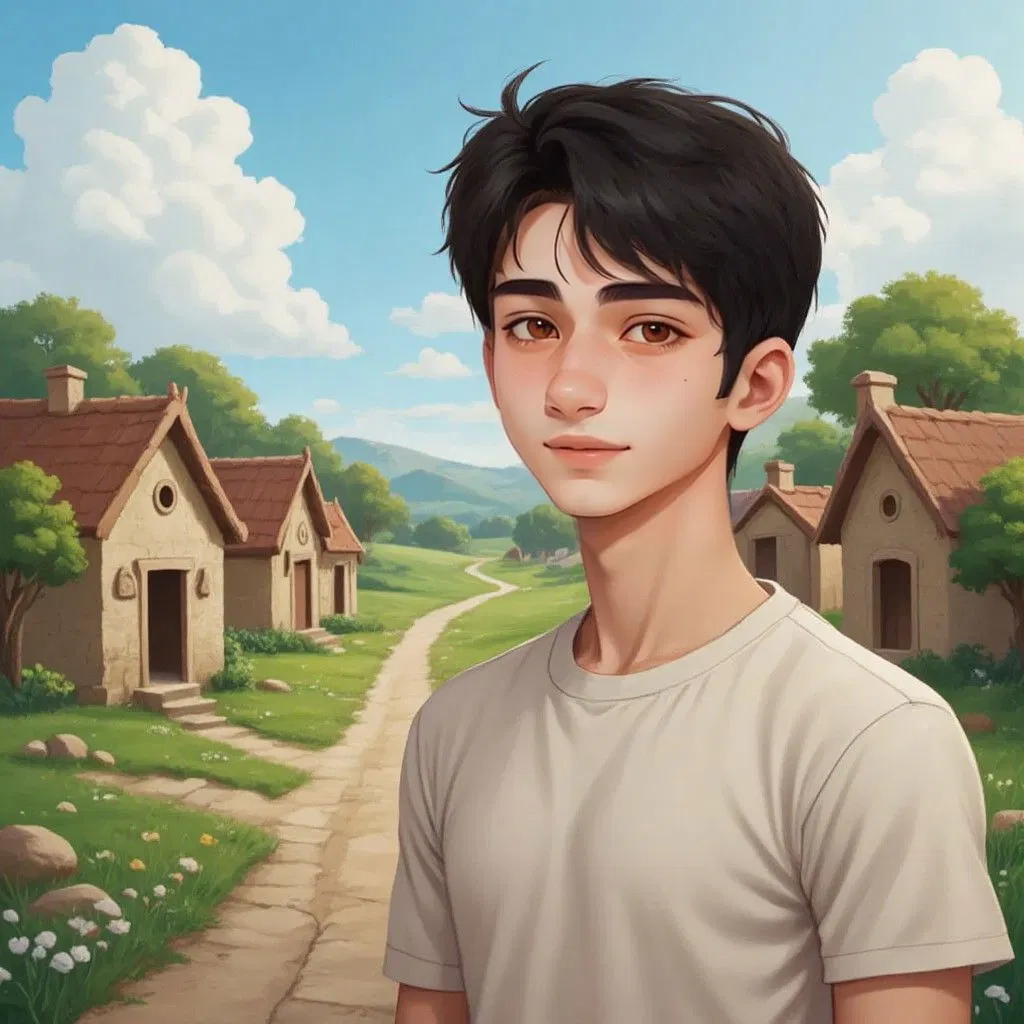
Happiness Expression: Smiling, laughter, relaxed body posture, bright eyes. Feeling: A sense of joy, contentment, or pleasure. It can be triggered by positive experiences, achievements, or connections with others. Sadness Expression: Frowning, tears, slumped posture, soft or downcast voice. Feeling: A response to loss, disappointment, or frustration. It may also arise from empathy for others' struggles or personal challenges. Anger Expression: Furrowed brows, clenched fists, tense body, raised voice. Feeling: Often triggered by perceived injustice, frustration, or threat. It may be an outward expression of frustration or desire to change a situation. Fear Expression: Wide eyes, tense body, quickened breathing, freezing or retreating actions. Feeling: A natural response to perceived danger or threat. Fear often activates the body’s fight-or-flight response. Surprise Expression: Raised eyebrows, open mouth, wide eyes, sometimes a gasp. Feeling: Can be a reaction to unexpected events, whether positive or negative. It often involves a brief, intense reaction before other emotions settle in. Disgust Expression: Wrinkled nose, curled lip, squinting eyes, pulling away from the object of disgust. Feeling: Often an automatic reaction to unpleasant tastes, smells, or things perceived as gross or morally offensive. Love Expression: Warm, gentle eyes, soft smile, close proximity, affection in touch (hugs, holding hands). Feeling: A complex and deep connection to another person or entity, characterized by care, trust, and emotional bonding. Excitement Expression: Wide grin, bouncing or jumping, rapid speech, energetic gestures. Feeling: A heightened state of anticipation or joy, often tied to upcoming events or achievements. Humans express emotions in varied ways, depending on cultural norms, personal preferences, and social contexts. Emotions also blend together in complex ways, creating nuanced expressions that might not fit neatly into one category.
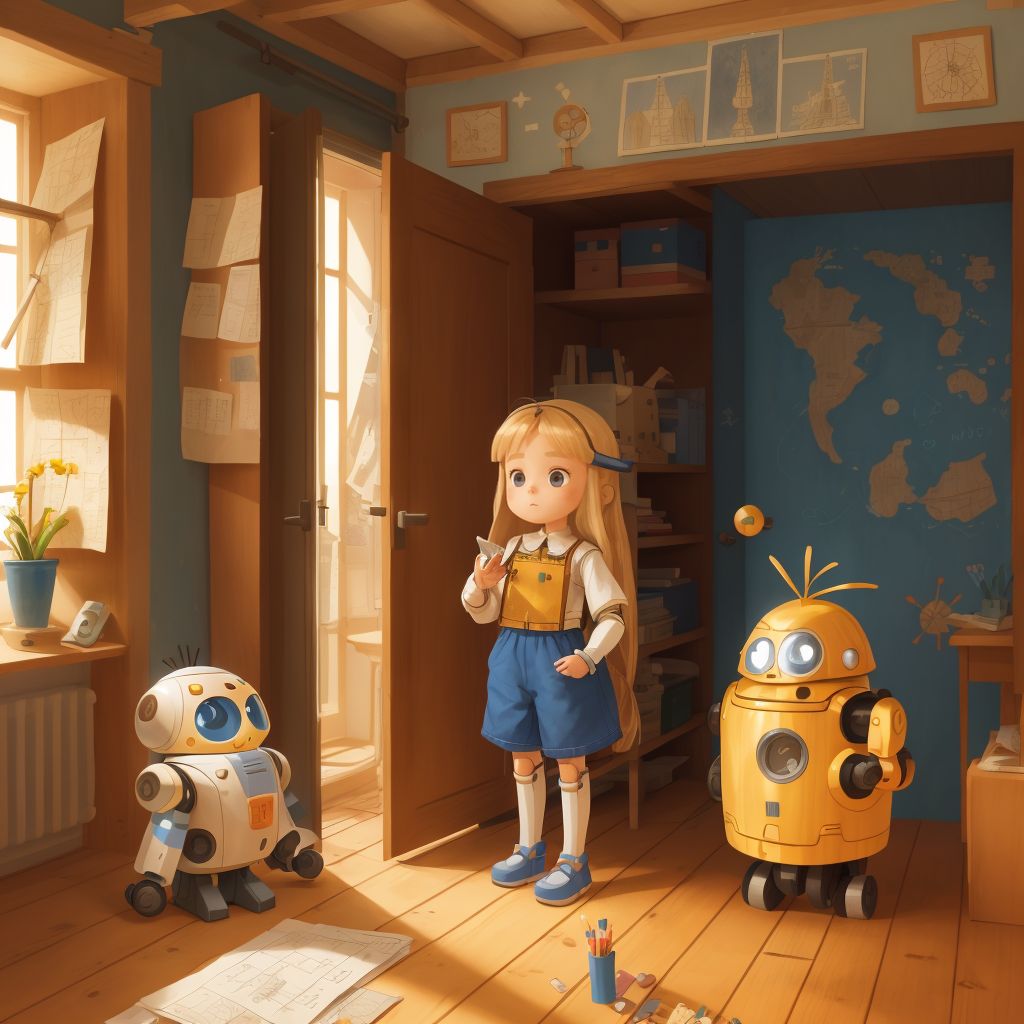
1. Creation of robot Liris 2. Adventure in a park 3. Saving an squirrel 4. Visit to a library 5. Bakary 5. Train trip

WORLD ADVENTURE OF MOTHER AND HER SUN, IN SERBIA, NEW YORK, GRECIA, NAPOLI, TRIESTE
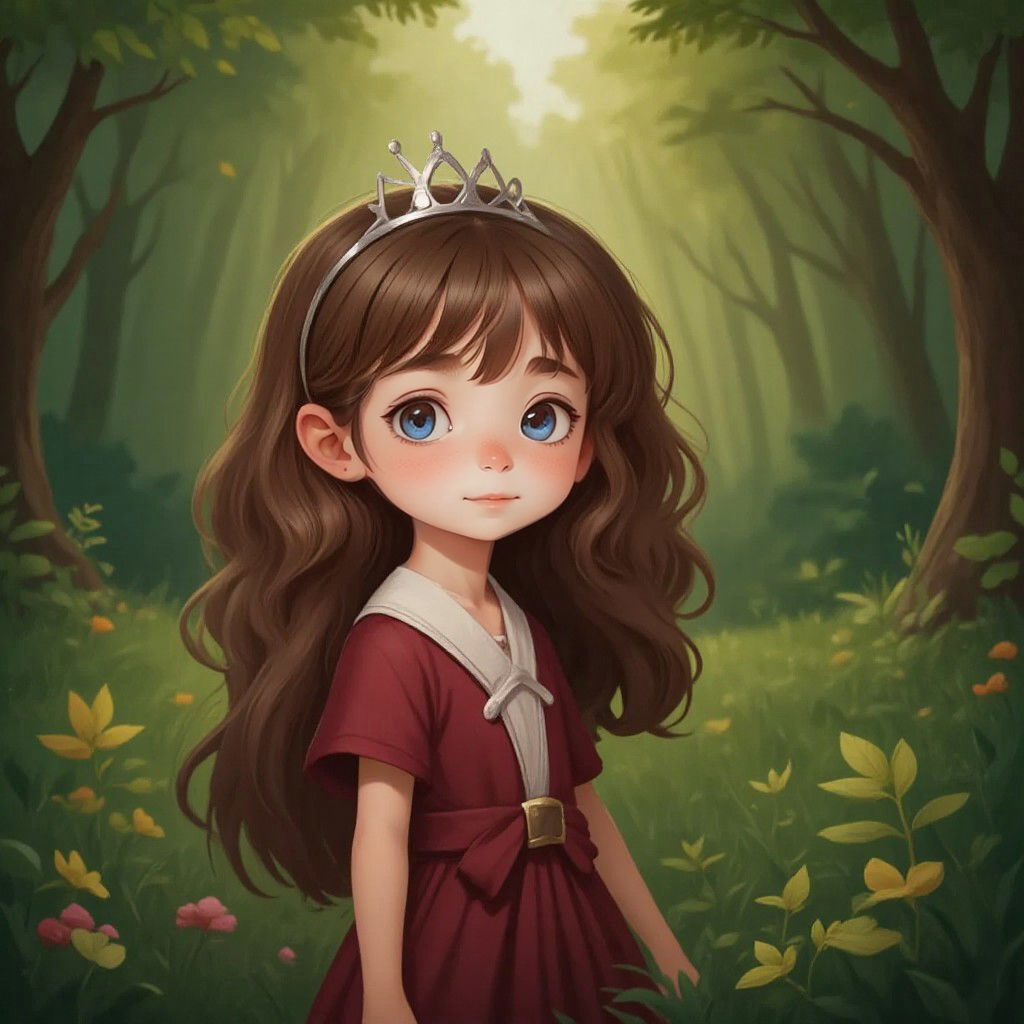
Emilia is a princess and the youngest of 7 sisters. One day, a dragon appears in the furthest corner of the kingdom and starts scaring the people. Emilia sets out with her pony Moritz to defeat the dragon. She defeats the dragon, by winning a battle of wits and afterwards becomes good friends with the dragons and lives with him in the castle.