

 Start Read
 Recommend

Blonďatá 3letá holčička Agnes zjišťuje, že uklízení, vaření a další domácí práce dělají domov příjemnějším místem k životu a začíná se zapojovat a užívat si, jak se jí spolu s maminkou a tatínkem daří mít to doma krásné a útulné.

The story is about how little kids are always dismissed about having a smart idea because they're just kids or if there's ever someone in trouble or danger there's always this need to have an adult, usually a male, come in and save the day. Well, in this story, a dolphin is choking on a beach ball in the ocean near the beach and the lifeguards try and pull the ball out of his mouth, and the firefighters get called in and they try and do something to help get it out and still nothing and everyone is starting to run out of ideas and that's when this 5 year old boy named Landon steps up and says something like "maybe I can help" and so using his smaller toddler sized hands, is able to reach in just right and wiggle the ball free and save the day.

1. Young boy with food allergies 2. Young boy with cape 3. Young boy with epi pen

Harvey is introduced to new philosopher by Mr. Smith. His name is Friedrich Nietzsche and he was one of the most influential German classical scholar of the 18th century. Mr. Smith told Harvey that Nietzsche was the youngest person as chair of Classical Philology at the University of Basel in Switzerland in 1869, at the age of 24. Harvey was so impressed and amazed. Mr. Smith continues to explain Friedrich Nietzsche's main philosophical concept which is based on two figures in ancient Greek mythology Apollo and Dionysus. Mr. Smith also said that Nietzsche found in classical Athenian tragedy an art form that transcended the pessimism found in the so-called wisdom of Silenus. The Greek spectators, by looking into the abyss of human suffering depicted by characters on stage, passionately and joyously affirmed life, finding it worth living. The main theme in The Birth of Tragedy is that the fusion of Dionysian and Apollonian Kunsttriebe ("artistic impulses") forms dramatic arts or tragedies. He argued that this fusion has not been achieved since the ancient Greek tragedians. Apollo represents harmony, progress, clarity, logic and the principle of individuation, whereas Dionysus represents disorder, intoxication, emotion, ecstasy and unity (hence the omission of the principle of individuation). Nietzsche used these two forces because, for him, the world of mind and order on one side, and passion and chaos on the other, formed principles that were fundamental to the Greek culture: the Apollonian a dreaming state, full of illusions; and Dionysian a state of intoxication, representing the liberations of instinct and dissolution of boundaries. In this mould, a man appears as the satyr. Harvey felt so empowered and understood what Nietzsche meant; life is full of suffering and chaos and hard work and that's where we should find enjoyment and happiness by valuing what is most worth to us.

learning how to use the potty

A girl with a red hood is tasked with giving medicine to her grandma in a horrific turn of events, she and her family die from a scary wolf
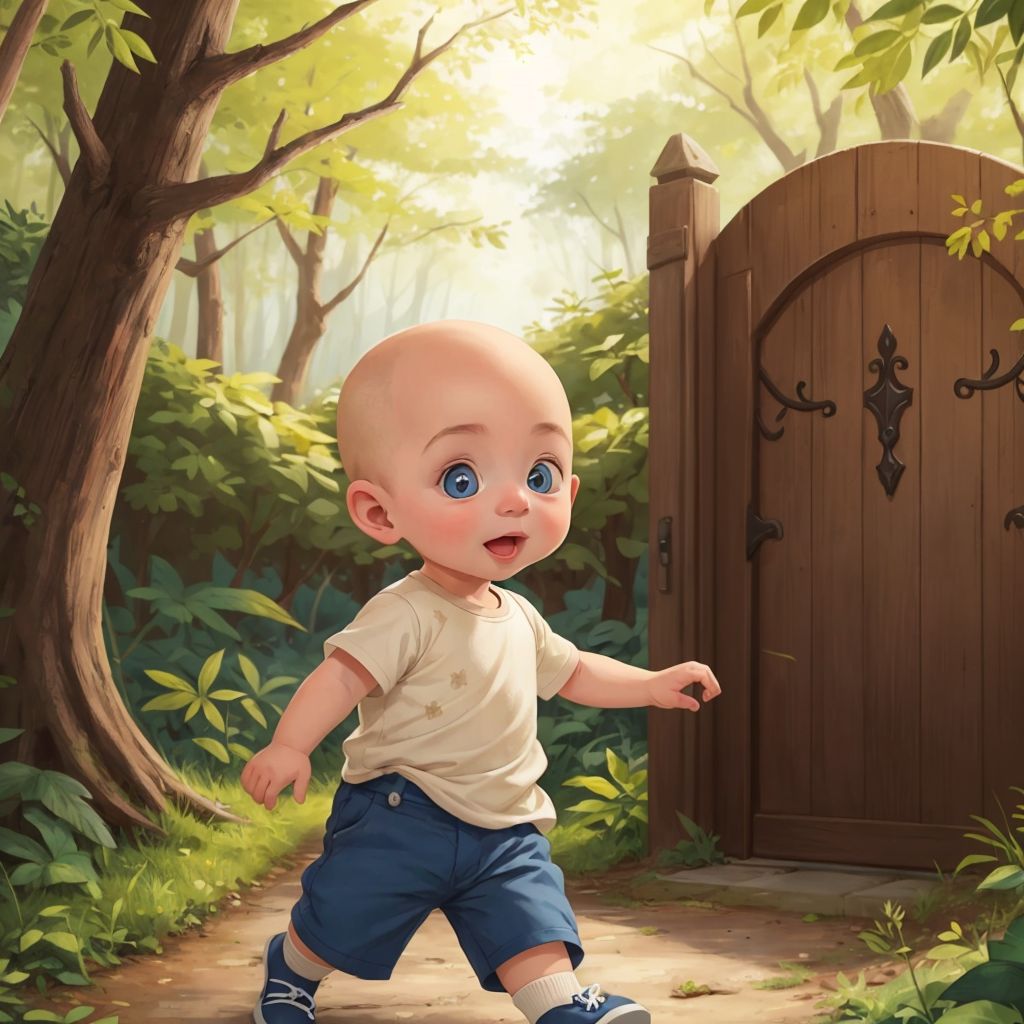
Luca found a secret gate in the woods one day. It led to a Magical Zoo full of amazing creatures.

A dog, named Oscar, moves into a home with a new family and changes everything, making life both chaotic and better.

كرار وليس فرار
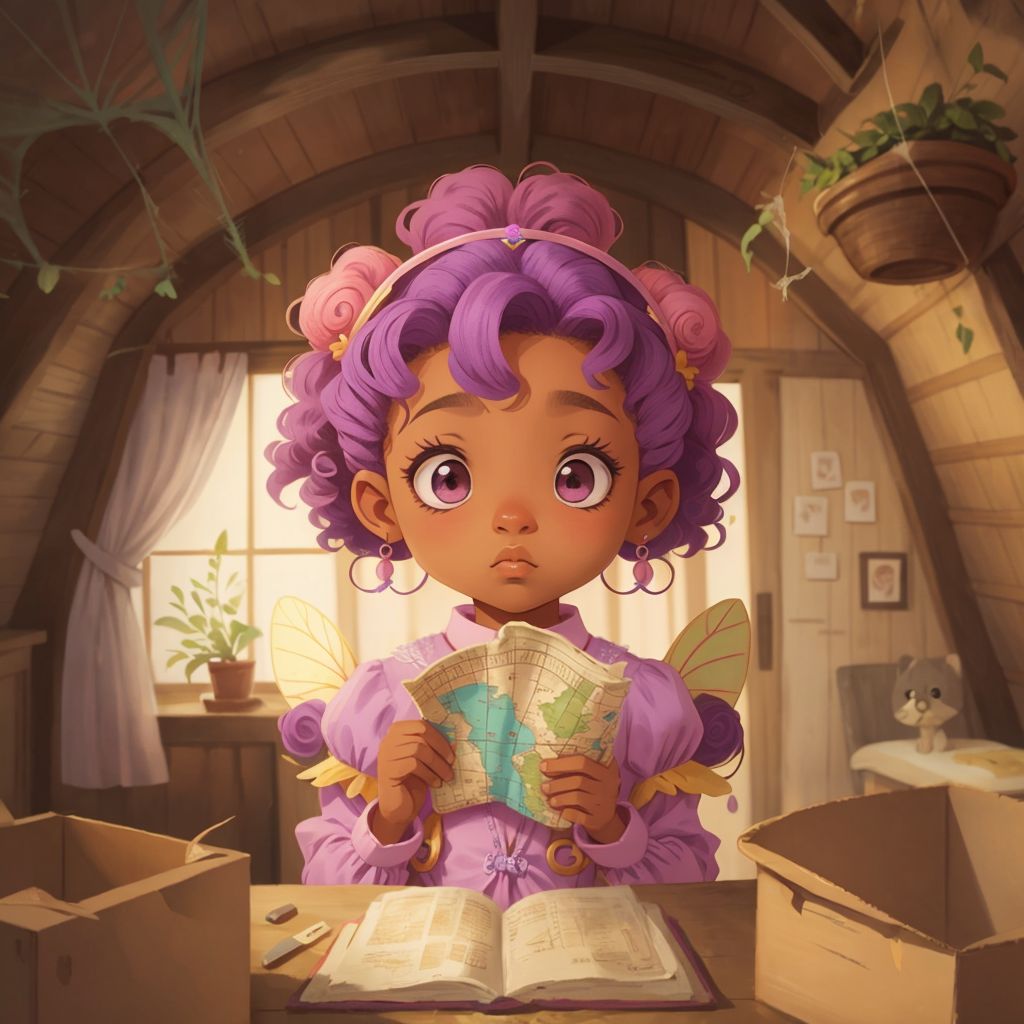
African American fairy named Lila and her unicorn best friend Twinkle, go on an adventure to a mysterious magical land

1.) brushes teeth in bathroom with mom doing her hair 2. Eats breakfast at dining room table 3.)Gets on bus for school 4.)sits with friends in math class 5.) sits in spanish class 6.)goes to lunch and eats with friends 7.)goes to recess and plays soccer 8.)goes to library and reads books 9.)sets the dining room table with sister for dinner 10.) takes a bath and washes hair 11.)gets in bed and her dad reads her a story goodnight 12.) goes to sleep

1. A little boy is going with his mother inside a candy shop. He is looking with envy Candy jars and candy jelly crocodile. 2. The boy want to taste chocolate bears and candy jelly crocodile. The mother left. The boy is alone in the candy shop. 3. The boy realised he is alone and Lost in the candy shop. And he is crying tears. 4. The boy found his mother inside the candy shop. He is no crying anymore and eat one caramel candy

It's about a chief who decides to host a celebration to celebrate the birth of his first born son.During the celebration,a group of thieves decide to rob houses whilst the people are celebrating but in the midst of it all they grab the chiefs bundle of joy.

In a fabulously beautiful colorful and colorful forest lived three animal friends, a bear, a bunny and a sardine. One day they found a hermit basket, decided to see and saw such well-painted little eggs shining, they were so happy that they decided to show it to all the animals in the forest.

Lyla and her Dog Wolfie funny story about their time at the park

Sophia and Kallen learn about the importance of understanding text features in a nonfiction book. Headings: Titles or subtitles that indicate the topic of a section. Titles: The main title of the document or section that summarizes the content. Bold Print: Text emphasized for importance or to highlight key terms. Italics: Text style used for emphasis, foreign words, or titles of works. Captions: Descriptions or explanations of images, charts, or figures. Diagrams: Visual representations of concepts, processes, or systems. Maps: Geographic visuals showing locations, regions, or pathways. Graphs/Charts: Visual data representations, such as bar charts, pie charts, or line graphs. Photographs: Real images used to visually support or enhance the text. Tables: Grid-based layouts showing data or information in rows and columns. Sidebars: Boxes of additional information or facts placed alongside the main text. Glossary: A list of key terms and their definitions, usually at the end of a text. Index: An alphabetical list of key topics and the pages where they can be found. Table of Contents: An organized listing of the chapters or sections in the text. Labels: Text accompanying diagrams or images to identify parts or explain content. Timeline: A visual representation showing events in chronological order.

Scientists/conservationists trying to have northern white rhinos have babies to help species become undangered
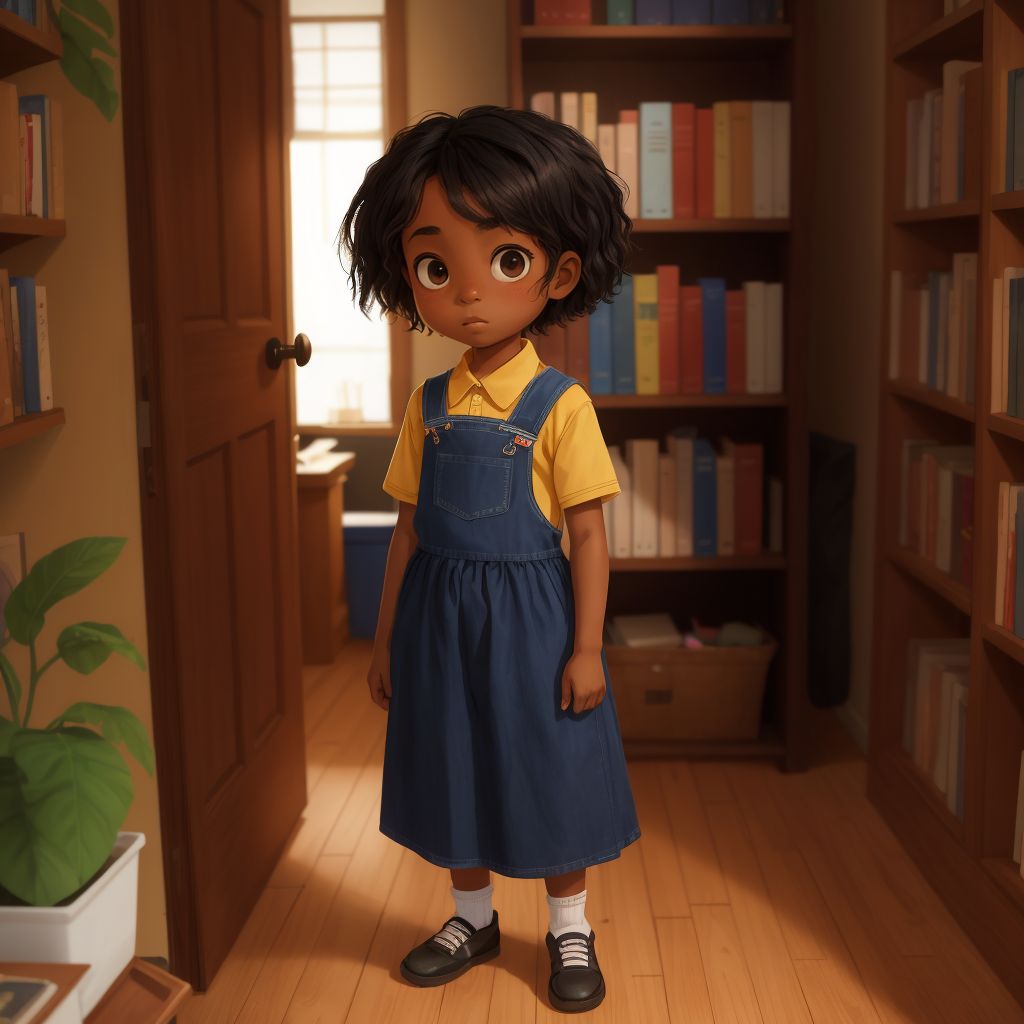
A woman named Mary McLeod Bethune. She had a heart full of kindness and a mind full of dreams. Mary believed that every person, no matter their background, deserved a chance to succeed. During the Great Depression, times were tough. Many families struggled to make ends meet, and women faced even greater challenges. Mary knew she had to do something to help her fellow women. With determination, Mary set out on a mission to make a difference. She spoke up for the rights of women, especially those who were African American like herself. She believed that women should have equal opportunities for education, jobs, and fair treatment. During this time, the New Deal was created to help people in need. Mary saw this as a chance to advocate for women's rights. She shared her ideas on how to support women through the New Deal. With guidance, the New Deal began to include programs that provided jobs and resources for women.They opened up to education opportunities for young women.
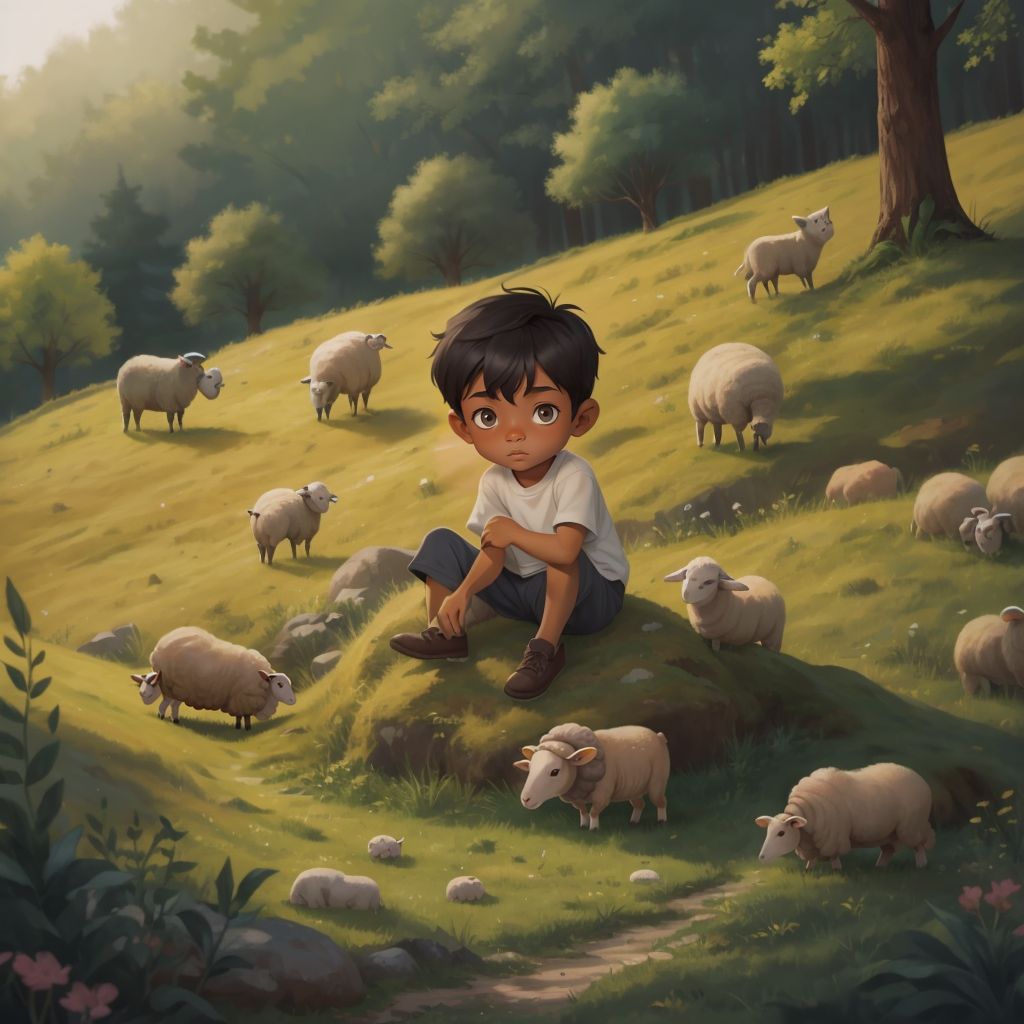
Once upon a sun-dappled hillside, there lived a shepherd boy. His days were spent tending to his master’s flock of sheep in a quiet corner of the forest. Now, this job might sound idyllic—green meadows, fluffy sheep, and all—but it had its moments of monotony. The shepherd boy’s master, however, had given him a stern warning: Beware of the wolves. “If a wolf attacks,” the master said, “run to the village and cry for help.” And so, our shepherd boy went about his days, occasionally yawning as the sheep grazed. But mischief stirred within him. One day, he decided to play a prank. He ran to the village, shouting, “Wolf! Wolf!” The villagers dropped everything and rushed to his aid, only to find him doubled over with laughter. It was all a joke. The boy repeated this trick a few times, and the villagers, though annoyed, forgave him. But then, when a real wolf appeared, fangs bared and hungry eyes fixed on the sheep, the boy cried out again: “Wolf! Wolf!” This time, the villagers hesitated. “He can’t fool us twice!” they said, ignoring his desperate pleas. Tragically, many sheep fell victim to the wolf. Moral of the Story: Be honest in your words and deeds.

Thanks to the unwavering spirit of Nara, the forest has become a place of laughter, love and unity