
 Start Read
 Recommend
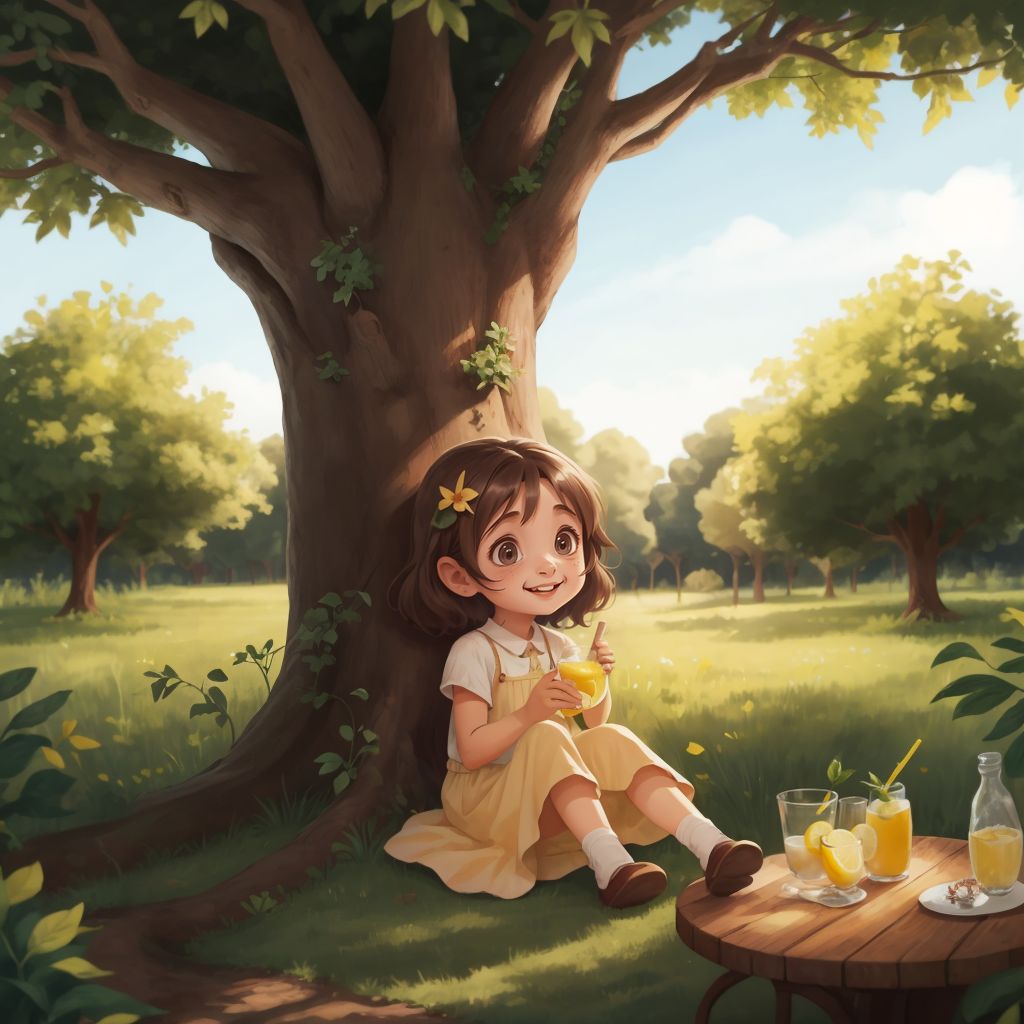
Heat waves roll, a lazy haze, Zina finds in August's days. Lemonade, cool and sweet, under a tree, a perfect seat. Stars at night, a gentle breeze, August's warmth, a total ease.
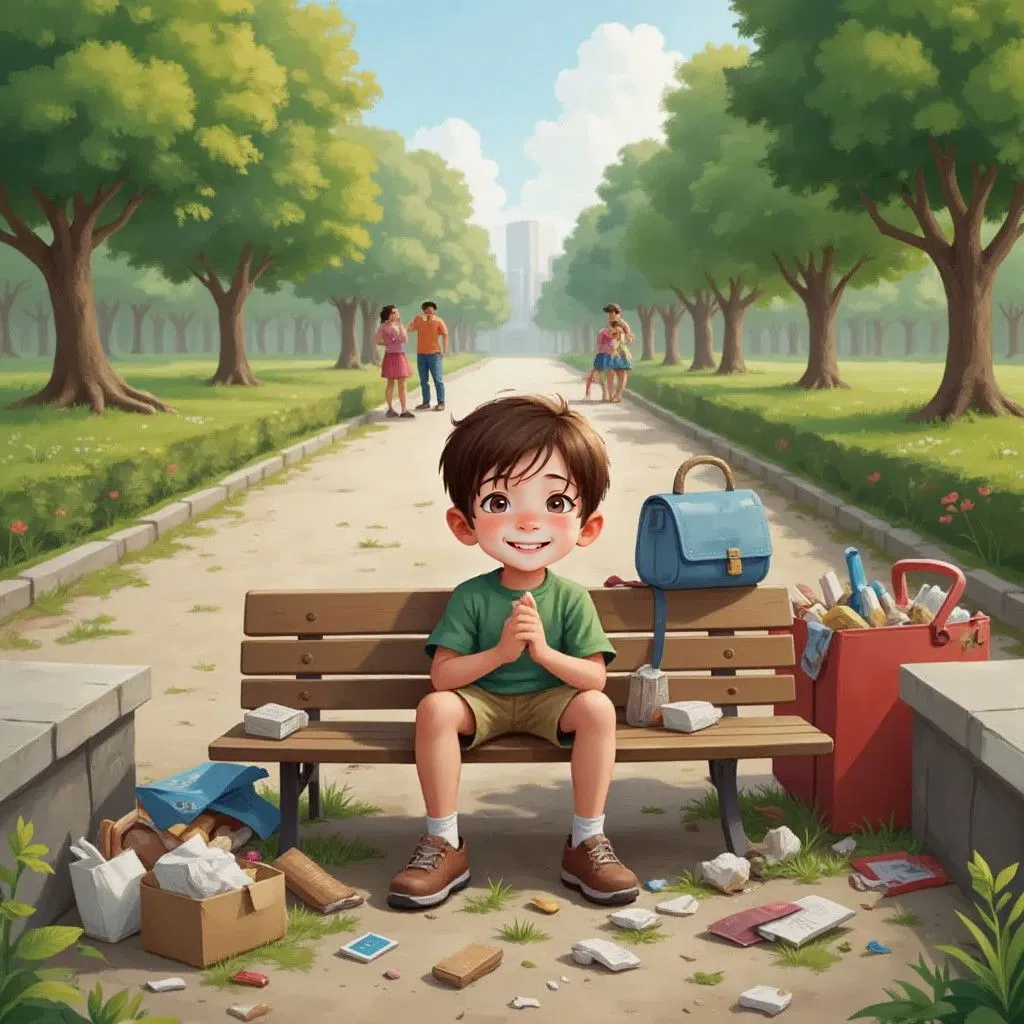
Benjamin is not very good at putting his rubbish in the bin. One day he meets a time Traveller that tells him how horrible the future is with rubbish and pollution everywhere. Asking him that if he puts his rubbish in the bin and tells all his friends to do the same thing, he can save the world.
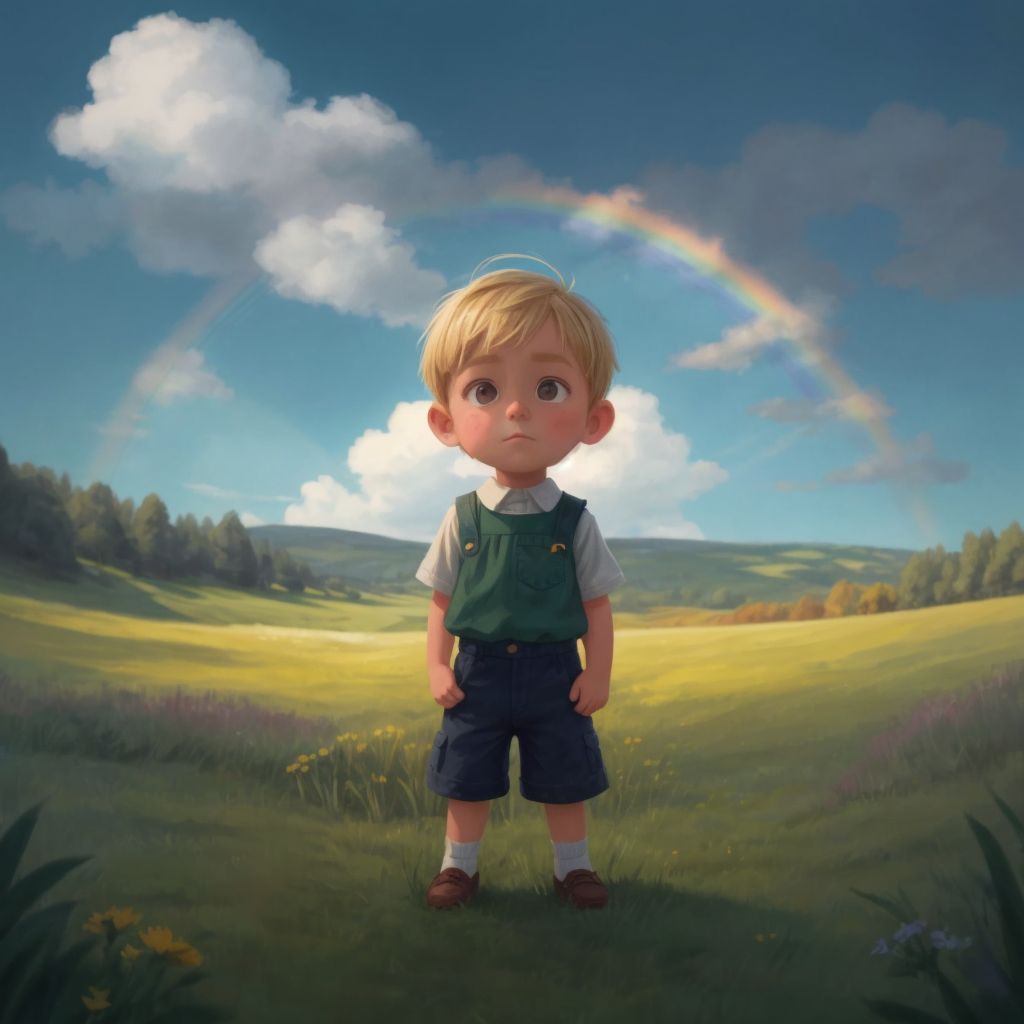
this is the story told by a 10 year old boy, who has golden brown hair and blue eyes. he is telling the story about his younger brother. this book is about his younger brother- who is 6 years old. who has autism. this book will be based around the special, magical world that his brother lives in, the special world of autism. in this world, his younger brother sees colors very bright & vibrant, hears sounds, uses methods to regulate himself. his younger brother has difficulty communicating, so he uses sign language, and visuals to describe what he feels. the aim of this book is to educate about the symptoms of autism and to advocate for kindness and acceptance the young boy with autism's name is Luke, he is very happy, smiley, has golden brown hair and bright blue eyes
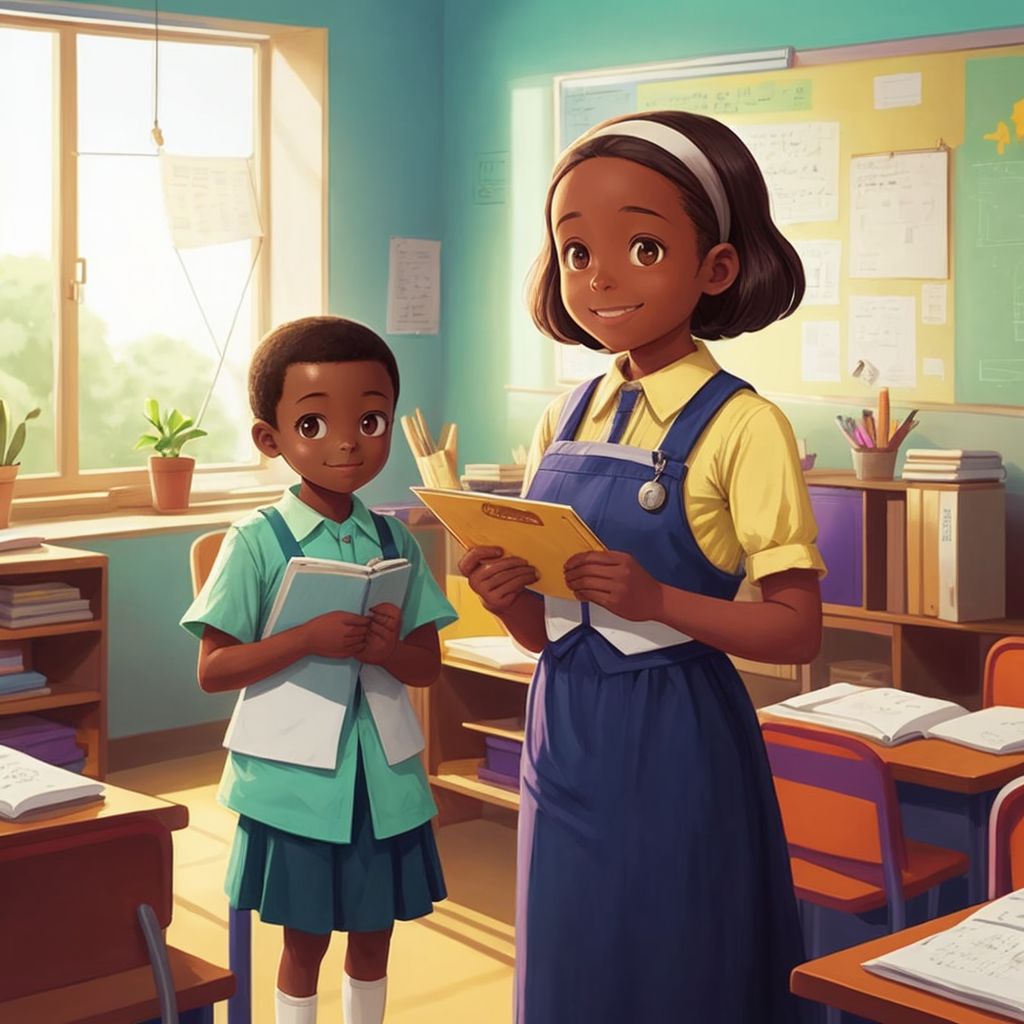
When an Senegalese American girl starts school in a people can't pronounce her name properly. Later at home, his parents remind her of how special she is and how her unique name reflects that.
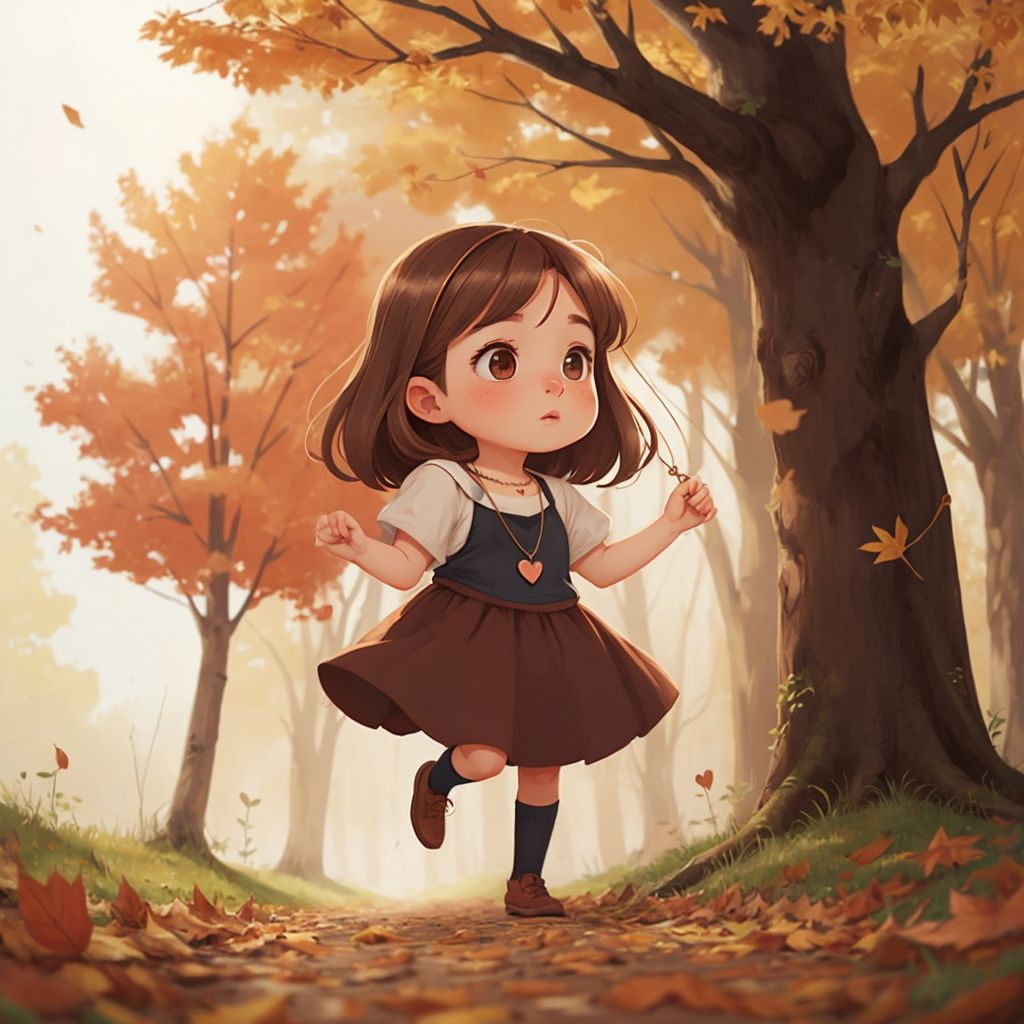
1. One crisp autumn morning, Sara, a quiet and thoughtful student, was walking to school. The sun peeked through the trees, casting a warm glow over the streets. As she walked, she gently touched her favorite silver necklace. It was a gift from her grandmother, a delicate piece with a small heart-shaped pendant. Sara’s grandmother had given it to her on her 10th birthday, and it had become her most treasured possession. She always wore it, feeling close to her grandmother even when they were far apart. 2. At school, during the morning break, Sara felt a small tug at her chest. Her necklace was gone! She gasped and quickly patted her neck, hoping it was just hidden under her shirt. But no, it wasn't there. Panic set in. Sara ran to her bag and frantically rummaged through it, her fingers trembling. It wasn't there either. She checked the corners of her desk, the floor, and even under the books stacked neatly on top of her papers. Then, with a sinking feeling, she dashed out to the playground. But the necklace was nowhere to be found. 3. Sara felt a lump rise in her throat. Her heart sank as she stared at the empty chain that should have been around her neck. She felt helpless, as if a part of her had disappeared with the necklace. Taking a deep breath, Sara went to her teacher, Ms. Fatimah, who was supervising the students. Ms. Fatimah noticed Sara’s worried face right away. “Sara, what’s wrong?” she asked kindly. “I...I’ve lost my necklace,” Sara said, her voice barely above a whisper. “It was my grandmother’s.” Ms. Fatimah smiled gently and put a hand on Sara’s shoulder. “Don't worry, Sara. We'll find it. Let’s ask your friends for help.”

Лес, где деревья шепчутся о тайнах и обитают волшебные существа, становится местом для необыкновенного приключения
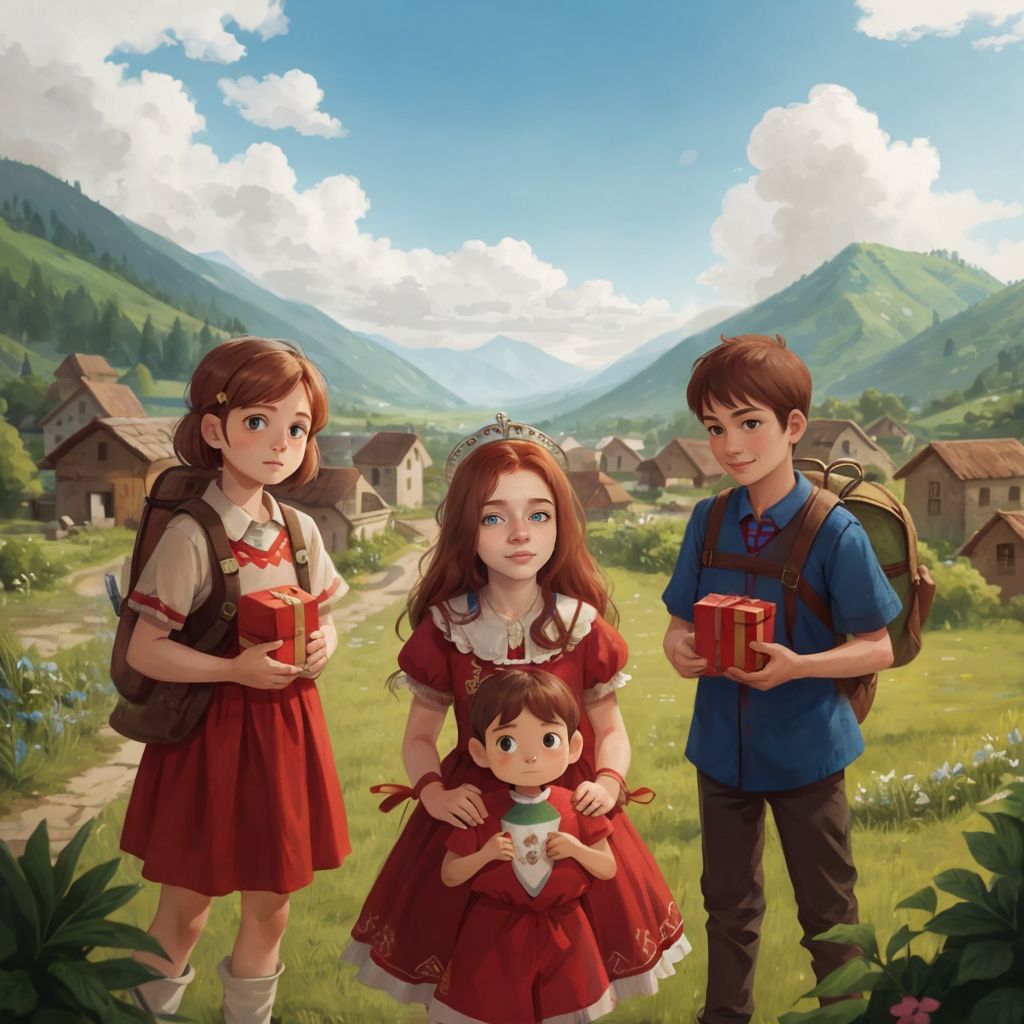
The Birth of the Goddess Madlene In the secluded hamlet of Balotica, nestled in the foothills of Little Bebeii, the birth of Madlene, believed to be the reincarnation of the goddess of beauty, brings joy to the villagers. The Anghiles, descendants of this goddess, reside in the Barlog of the Unicorn, a sacred place tied to the myth of Inorog, the unicorn who nurtured their ancestors. The villagers, eager to protect the divine child, offer gifts and blessings. Madlene’s Childhood Madlene grows up surrounded by love and protection. At her first birthday, the village celebrates with grandeur. Her beauty and kindness become evident early on, but this also attracts danger. Princes from across the seven continents hear of her allure and plot to kidnap her. The villagers, led by Griff Octav, the last of the Balotis, guard her vigilantly.

Book for muslim kids teaching them different islamic words

1. santa is supervising the elfs that are preparing gifts in the factory 2.
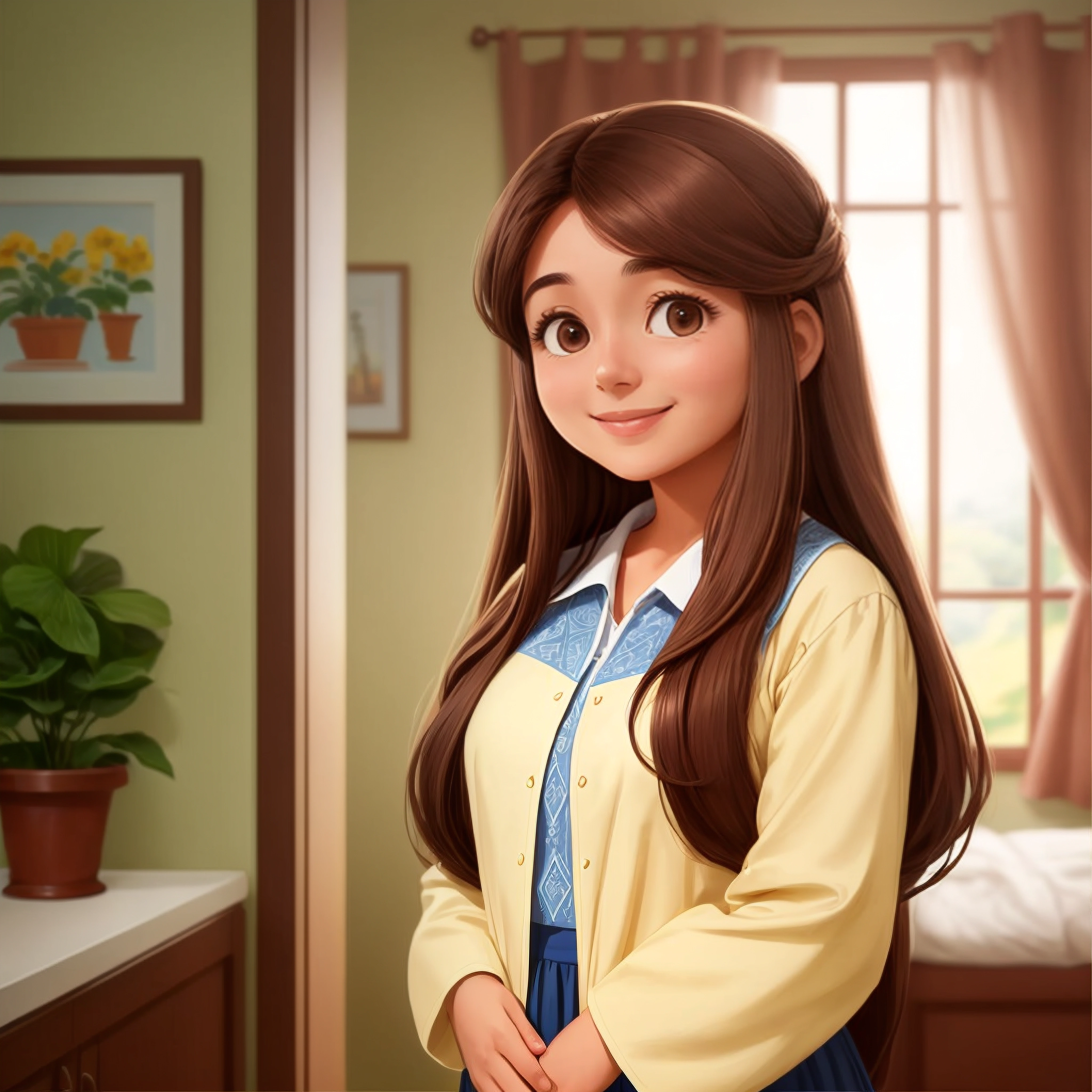
En Nazaret, María y José, llenos de amor, anhelaban tener un hijo. Su unión especial, llena de cariño y apoyo, floreció cuando recibieron la noticia emocionante de la llegada de un bebé. Juntos, emprendieron un viaje a Belén, enfrentando desafíos con fortaleza. Encontraron refugio en un cálido lugar donde María dio a luz a Jesús, el fruto hermoso de su amor. Animales, pastores y transeúntes se acercaron, reconociendo la magia de esta familia. La lección de María y José es clara: un niño es el resultado del amor entre personas. En la noche del nacimiento de Jesús, el mundo sintió la alegría de una nueva familia guiada por el respeto y el amor, sin importar su forma.
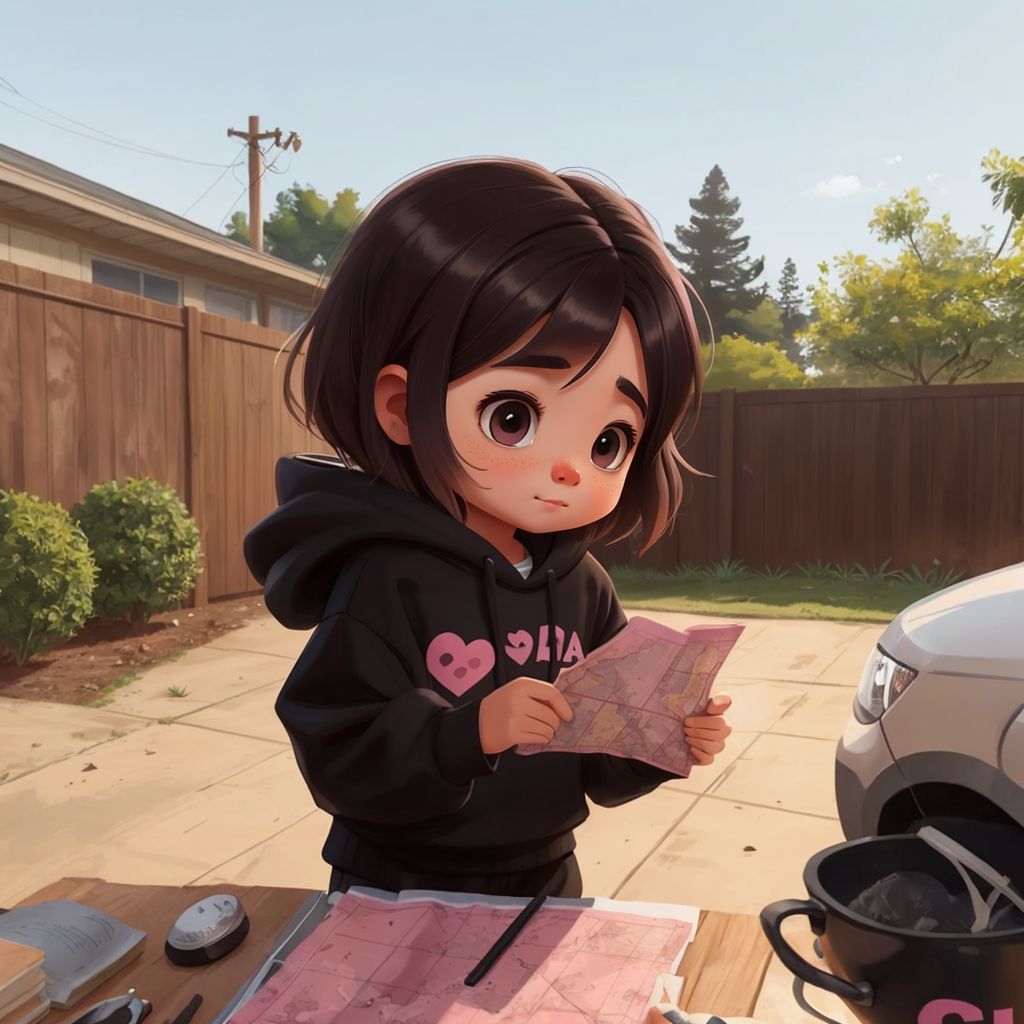
From that day on, Ani and Ele often visited the enchanted forest, each time discovering new wonders. They learned that adventures were not just about exploration; they were also about the lessons learned along the way. They carried these lessons into their everyday lives, becoming champions of kindness and courage in their own world.
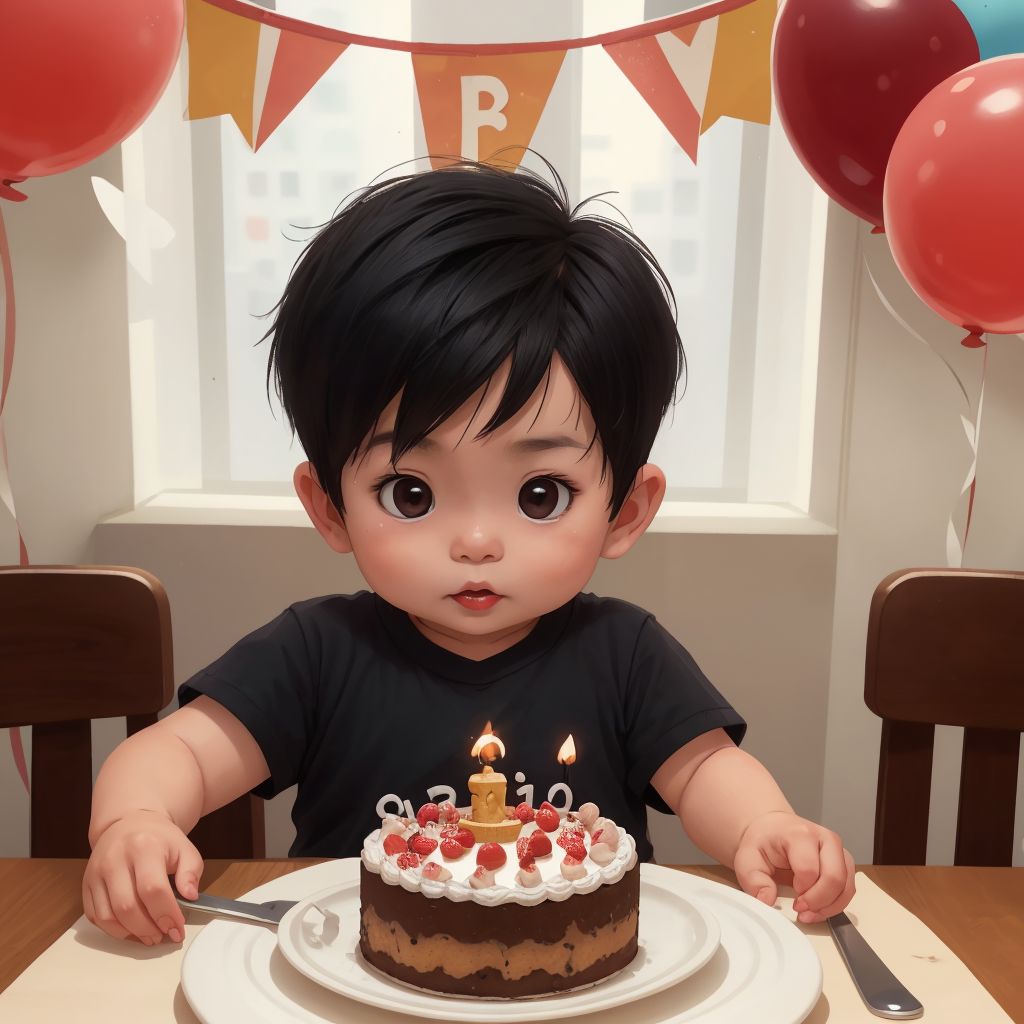
**Anindya:** A talented and warm-hearted dentist in her 30s, Anindya wears a hijab, embodying kindness and cultural pride. As a loving wife and mother, she radiates care and compassion, creating a nurturing home environment. **Aan:** Cheerful and creative, Aan, also in his 30s, is a toy technician who brings joy to their family. His playful nature and supportive role alongside Anindya add a lively and fun dynamic to their household. **Musa:** Musa, their 5-year-old son, is a bundle of energy and joy. His curiosity and enthusiasm brighten up their home, reflecting his playful and adventurous spirit nurtured by his loving parents.
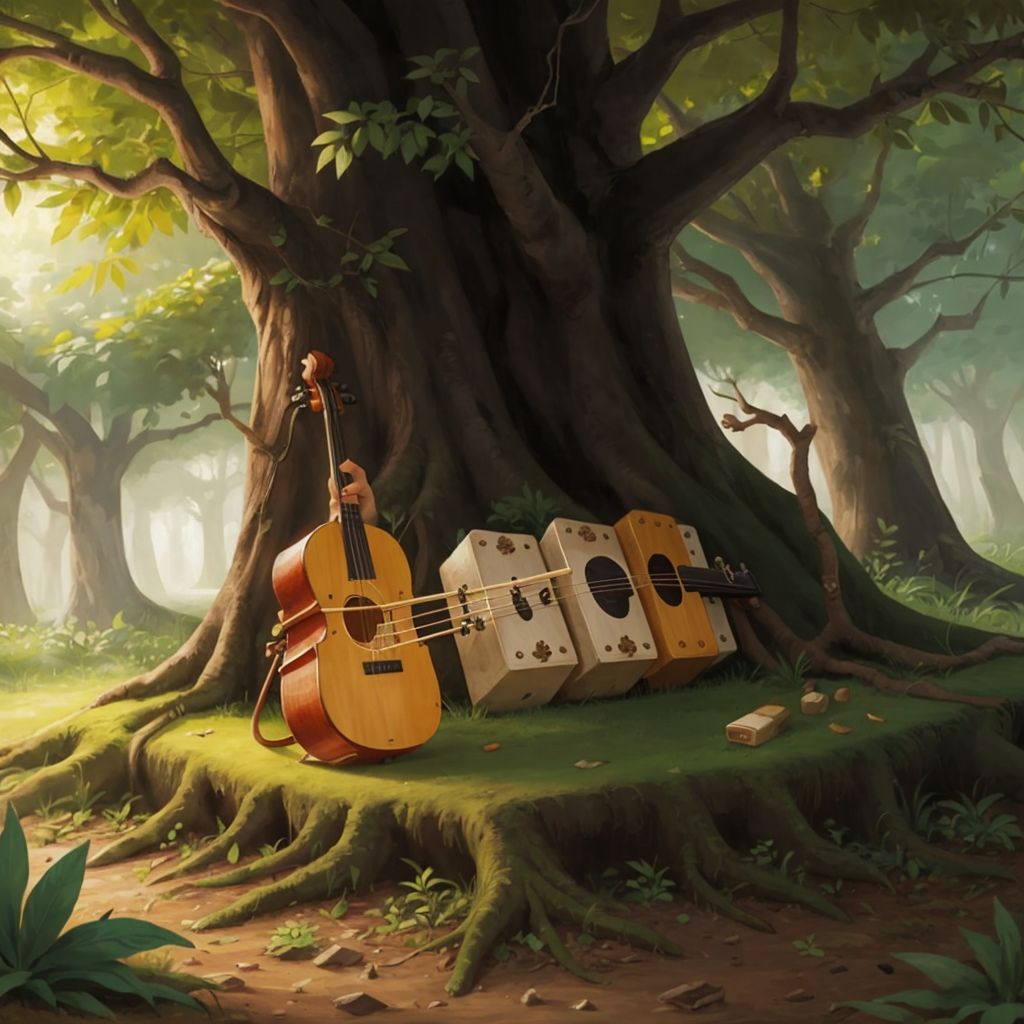
Indonesian traditional musical instrument and Korean musical instrument

ester was a dark witch unlike her sister blair she was a light witch but they would have to come together to save there school
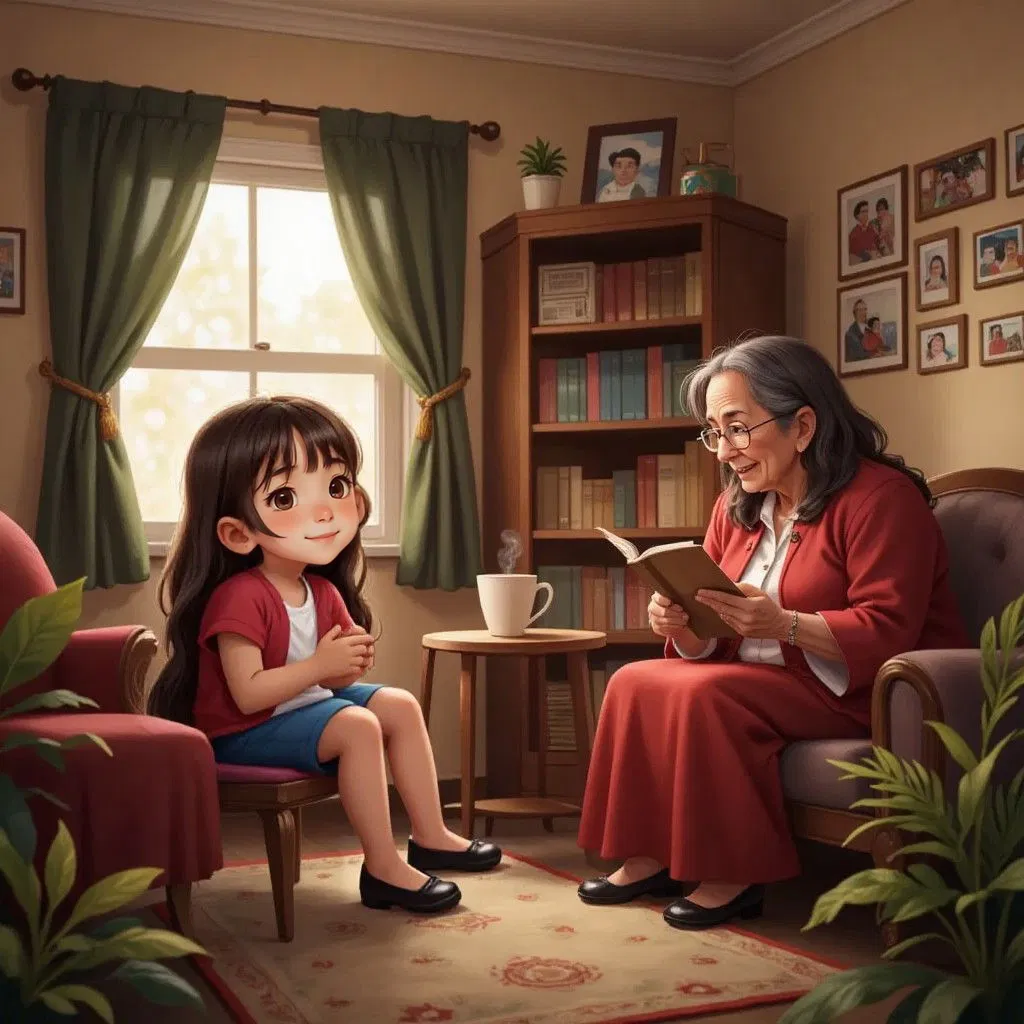
Girl talks and teaches about Puerto Rico culture, Traditions, History, Music, Traditional foods and beverages, Art and more.

Hi there! My name is Kam! I have beautiful black/brown skin, just like many other people wonderful people around me. My skin color is special because it is a part of who I am. Sometimes, people might look different from me, but that’s okay! We all come in different shapes, sizes, and colors, and that’s what makes the world interesting. My black/brown skin is strong and beautiful. It helps protect me from the sun and keeps me healthy.I love my skin because it’s a part of my family’s history and culture. It is something to be proud of! When I look in the mirror, I see someone amazing staring back at me. I’m proud of who I am, inside and out! No matter what, I know that my black/brown skin is something to be celebrated. It is a part of what makes me special and unique. I am confident and proud of my color. It’s a beautiful part of who I am, and I will always cherish it.
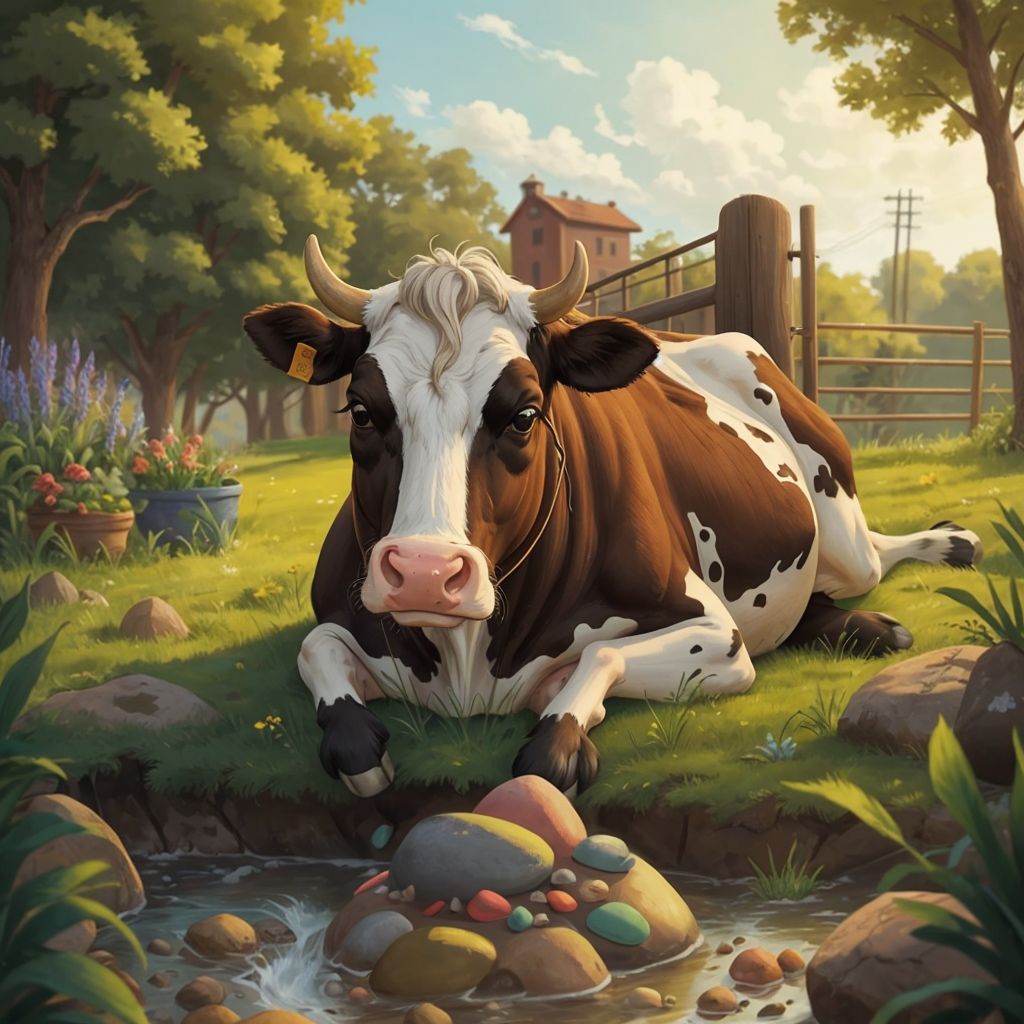
Mandy Moo wasn't just any ordinary cow. She was super-duper smart, the real brains behind the operation, and the fearless hero of old Farmer Tom's farm! Old farmer Tom, bless his old sleepy heart, mostly took long naps under a big tree every day, leaving the day-to-day running of the farm entirely in Mandy Moo's capable hands. Every morning, Mandy Moo meticulously planned the day's activities. She used a system of colored pebbles to assign tasks to each of the farm animals. A grey pebble meant "drive the little tractor!" (the chickens were surprisingly adept at this, though they weren't allowed near the bigger tractors, those were for Mandy). A spotty pebble signified "fence mending" (the sheep, surprisingly strong and surprisingly good with knots, were responsible for this). A shiny white pebble meant "collect the eggs," a task usually handled by the pigs (who, surprisingly, had a knack for finding even the most hidden eggs). And a brown pebble meant "hay time," a job for the strong horses. But Mandy Moo wasn't just a manager. She was a skilled operator, a master of the farm's machinery, and a whiz with a wrench. The little tractor was easy for her, but she could also handle the truck, driving it with surprising agility to transport supplies around the property. Sometimes, when the harvest was in full swing, she'd even take the combine harvester for a spin, expertly maneuvering it through the fields. And if something broke down on the farm, Mandy could often be found wielding a wrench, fixing whatever needed fixing. She could repair a leaky pipe, tighten a loose bolt on the hay baler, or even patch a hole in the chicken coop, all with a surprising level of skill and precision

This is a story about a family of 5, mom, dad, Elia, Logan and Théa, and their pet baby dragon who is green and cute. They sit by a fire pit, tell jokes, laugh and have a great time. We need lots of family pictures around the fire in this book. The baby dragon should be around too.
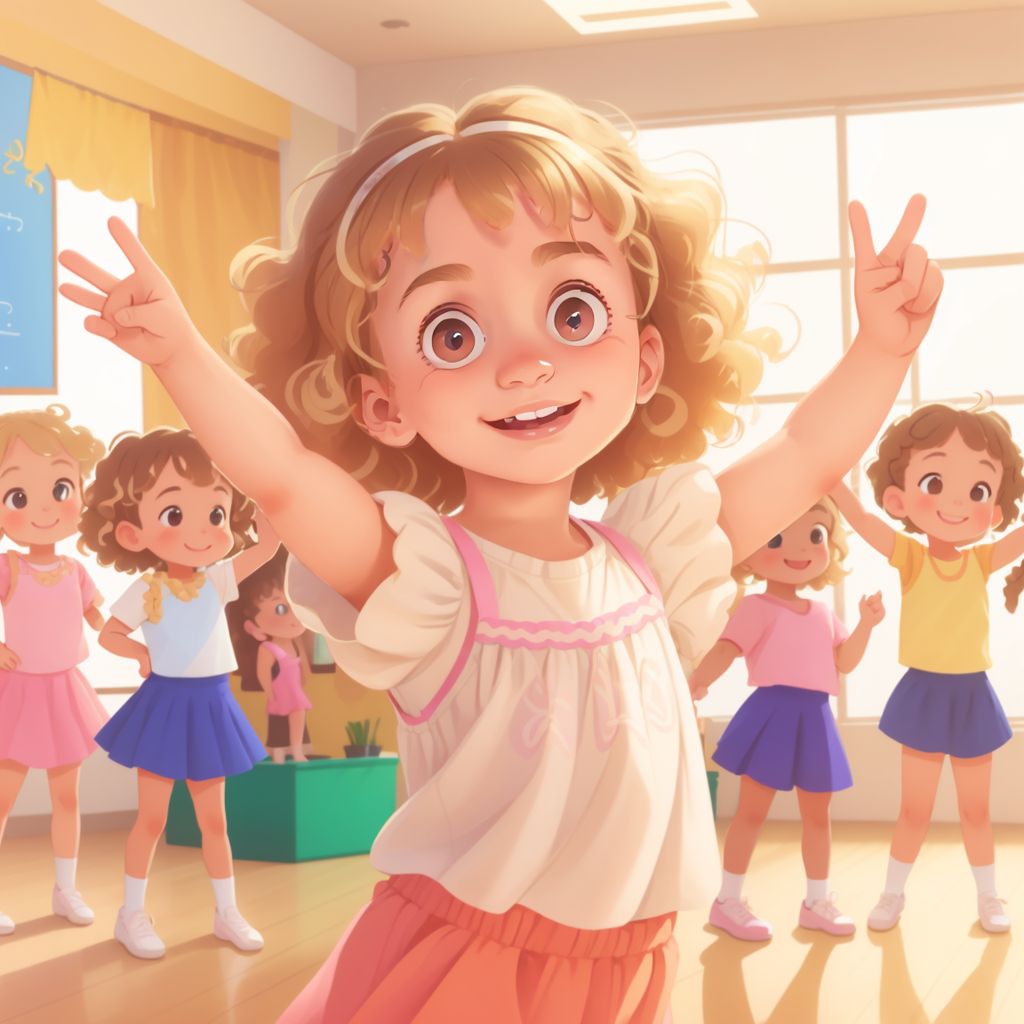
Ava in her dance class, surrounded by other children, smiling and dancing happily. Ava's dance teacher announces the upcoming spring dance recital. Ava was thrilled but also nervous. She was scared she might forget the routine on stage. Ava goes home and says to her Mom, "I'm worried about the dance recital. What if I forget the steps?". Her mom comforts her by saying "It's okay, Ava. I'll help you practice and find ways to remember the routine." In the living room, Ava and her mom use visual aids like pictures and cards with dance moves drawn on them to help practice the routine. With lots of practice in the living room and the help of visual aids, Ava felt more confident every day before the spring dance recital. On the day of the recital, Ava remembered every step and danced beautifully! She felt proud and happy as she finished her performance. And that's how Ava conquered her fear, learned a new way to remember her dance routine, and danced like a star! The end.
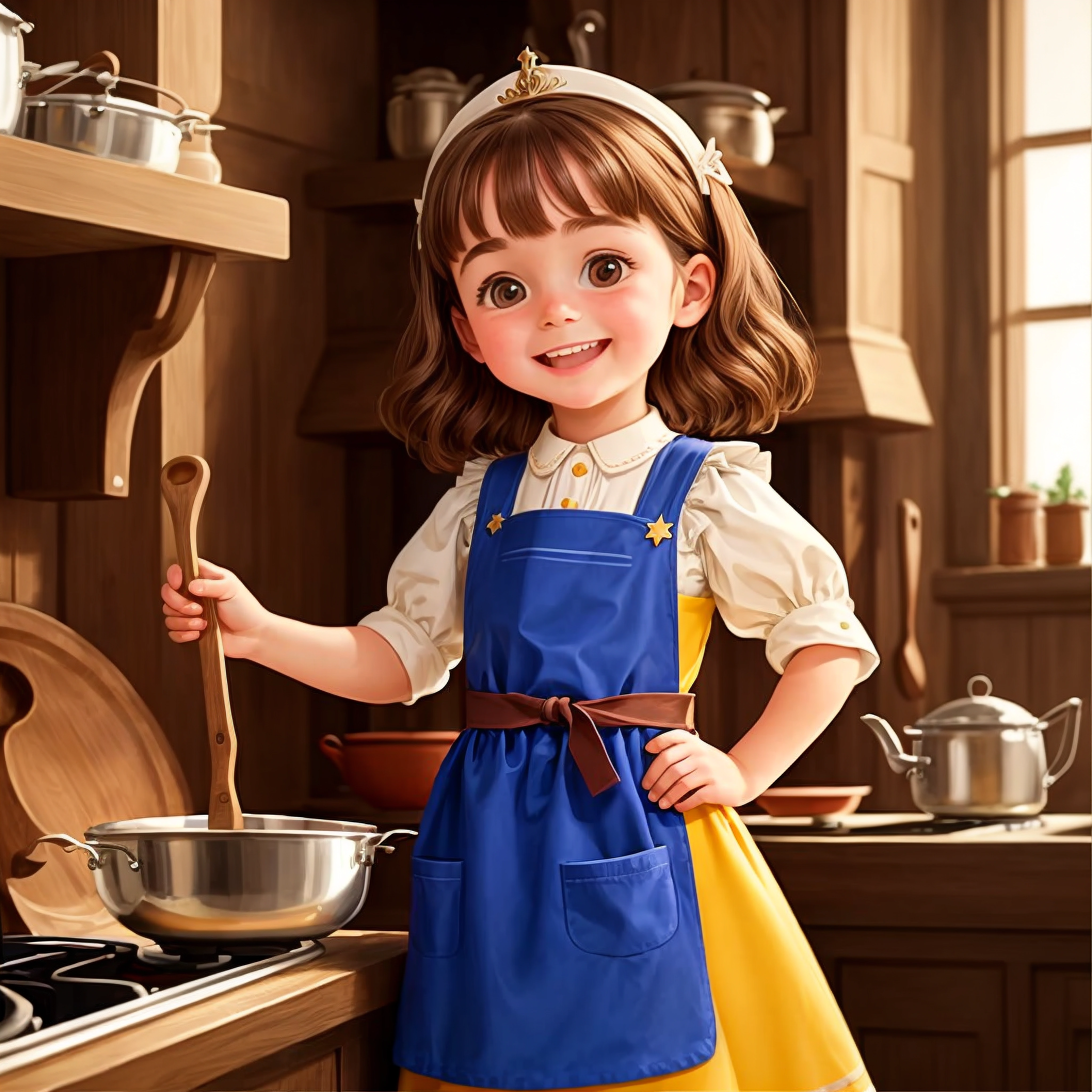
Princess Mia is a little princess in a medieval kingdom. She is loved by her family. She has a lot of friends in the kingdom. Her favorite hobby is cooking. She starts learning how to cook with the help of the headcook Timi. Timi is a fat, lovely man. He loves Mia and teaches details of cooking. In this story, Mia learns her first lesson.